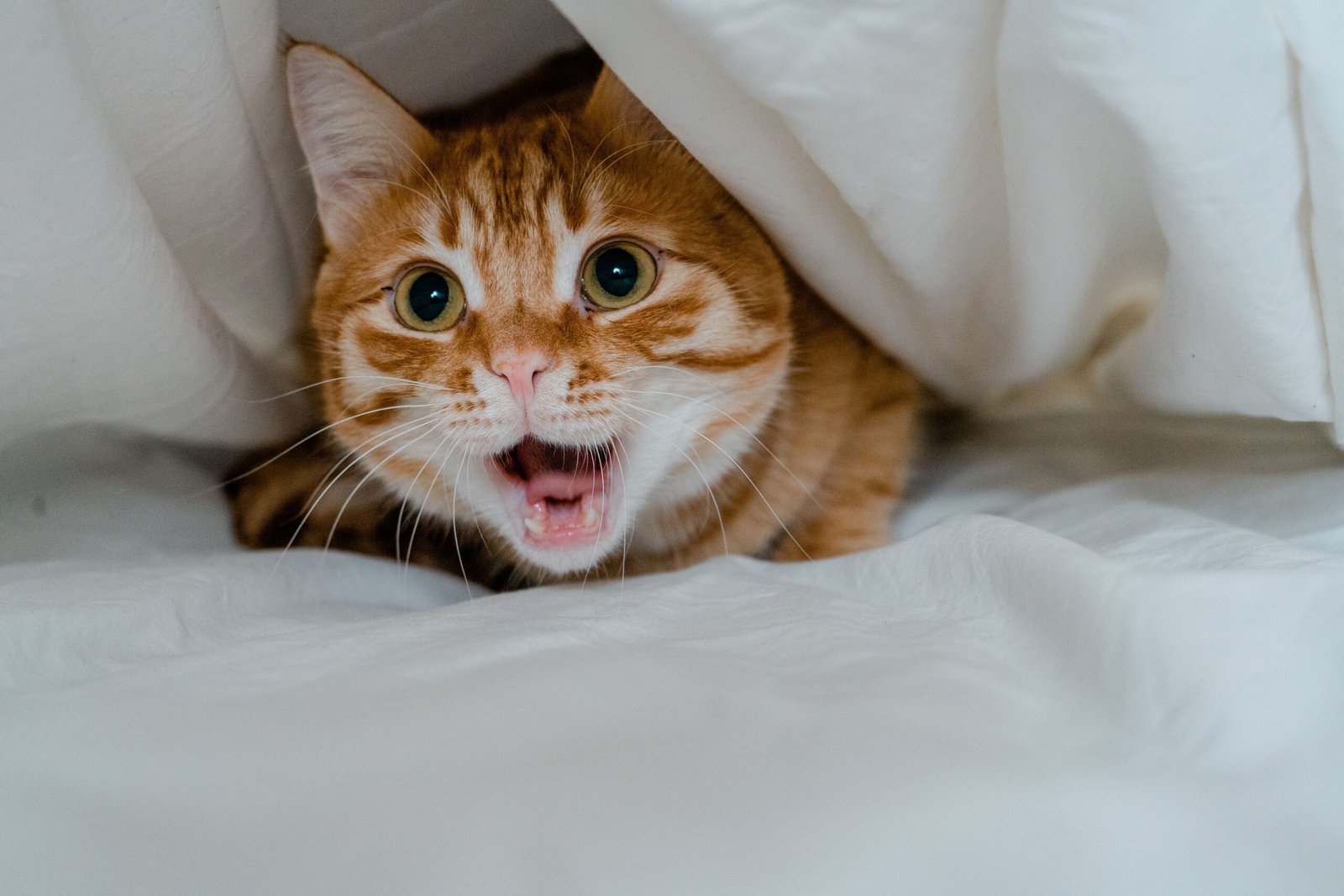
Cats are experts at hiding discomfort, and stress is no exception. Unlike dogs, who often wear their emotions plainly, cats tend to internalize anxiety, which means stress can build up for weeks before an owner notices anything is wrong. Learning to recognize the signs early can make a huge difference in your cat’s wellbeing. Here’s what to look for and how to help.
Why Cats Get Stressed
Cats are creatures of habit, and even small disruptions to their environment can throw them off balance. Common stress triggers include moving to a new home, introducing a new pet or family member, changes in routine or feeding schedule, loud noises or construction, and rearranged furniture or a new litter box location.
Understanding the root cause is often the first step toward helping your cat feel secure again.
Physical Signs of Stress
One of the most common physical signs is excessive grooming, sometimes to the point of bald patches, which is a self-soothing behavior similar to nail-biting in humans. You might also notice changes in appetite, either eating significantly less or, less commonly, overeating. Digestive issues like vomiting or diarrhea with no clear medical cause can also point to stress, along with a dull or unkempt coat, since a stressed cat often stops grooming normally, leading to a coat that looks greasy or matted.
Behavioral Signs of Stress
Stress often shows up in how a cat interacts with its environment and the people around it.
Hiding more than usual is one of the clearest signals, as a cat who suddenly spends most of the day under the bed or in a closet is likely feeling overwhelmed. Increased aggression, including hissing, swatting, or biting during normal interactions, can also be a red flag, especially if it’s a change from their usual temperament. Litter box avoidance is another major sign. Urinating outside the box is one of the most common stress-related behaviors in cats and shouldn’t be dismissed as “bad behavior.” Finally, watch for excessive vocalization, since some cats become unusually quiet under stress, while others meow or yowl far more than normal.
Body Language Cues
A cat’s body offers constant clues about how they’re feeling. Flattened ears pressed against the head usually signal fear or irritation. A low, tucked tail often means anxiety, while rapid tail flicking can indicate agitation. Dilated pupils, even in normal lighting, are a common sign of stress or fear. A crouched, tense posture with the body held low to the ground typically means a cat is trying to make itself feel less visible or vulnerable.
How to Help a Stressed Cat
Once you’ve identified that your cat is stressed, there are several practical steps you can take to help them feel safe again.
Maintain a consistent routine. Feed, play, and interact with your cat at roughly the same times each day, since predictability is deeply comforting to cats.
Provide safe spaces. Make sure your cat has access to quiet, elevated areas where they can retreat and observe their surroundings without feeling exposed. Cat trees, shelves, or even a covered bed work well for this.
Introduce changes gradually. Whether it’s a new pet, a piece of furniture, or a move to a new home, give your cat time to adjust slowly rather than forcing sudden interaction.
Use pheromone diffusers. Synthetic feline pheromone products can help create a calming environment, particularly during transitions like moving or introducing a new pet.
Keep the litter box clean and accessible. A dirty or hard-to-reach litter box is a common source of stress on its own, so keep it clean and situated in a quiet, low-traffic area.
Offer enrichment. Interactive toys, puzzle feeders, and regular play sessions help release pent-up energy and give your cat a healthy outlet for anxiety.
When to See a Vet
If stress-related symptoms persist for more than a few days, or if you notice signs like not eating for over 24 hours, blood in urine, or significant behavior changes, it’s important to consult a veterinarian. Chronic stress can also lead to medical issues like feline idiopathic cystitis, so ruling out underlying health problems is essential, especially when litter box issues are involved.
Final Thoughts
Stress in cats is common, but it’s also manageable with patience and the right approach. By learning to read your cat’s physical and behavioral cues, maintaining a stable routine, and creating a secure environment, you can help your feline companion feel calm and confident again. When in doubt, a quick check-in with your vet can rule out any underlying medical concerns and give you peace of mind.