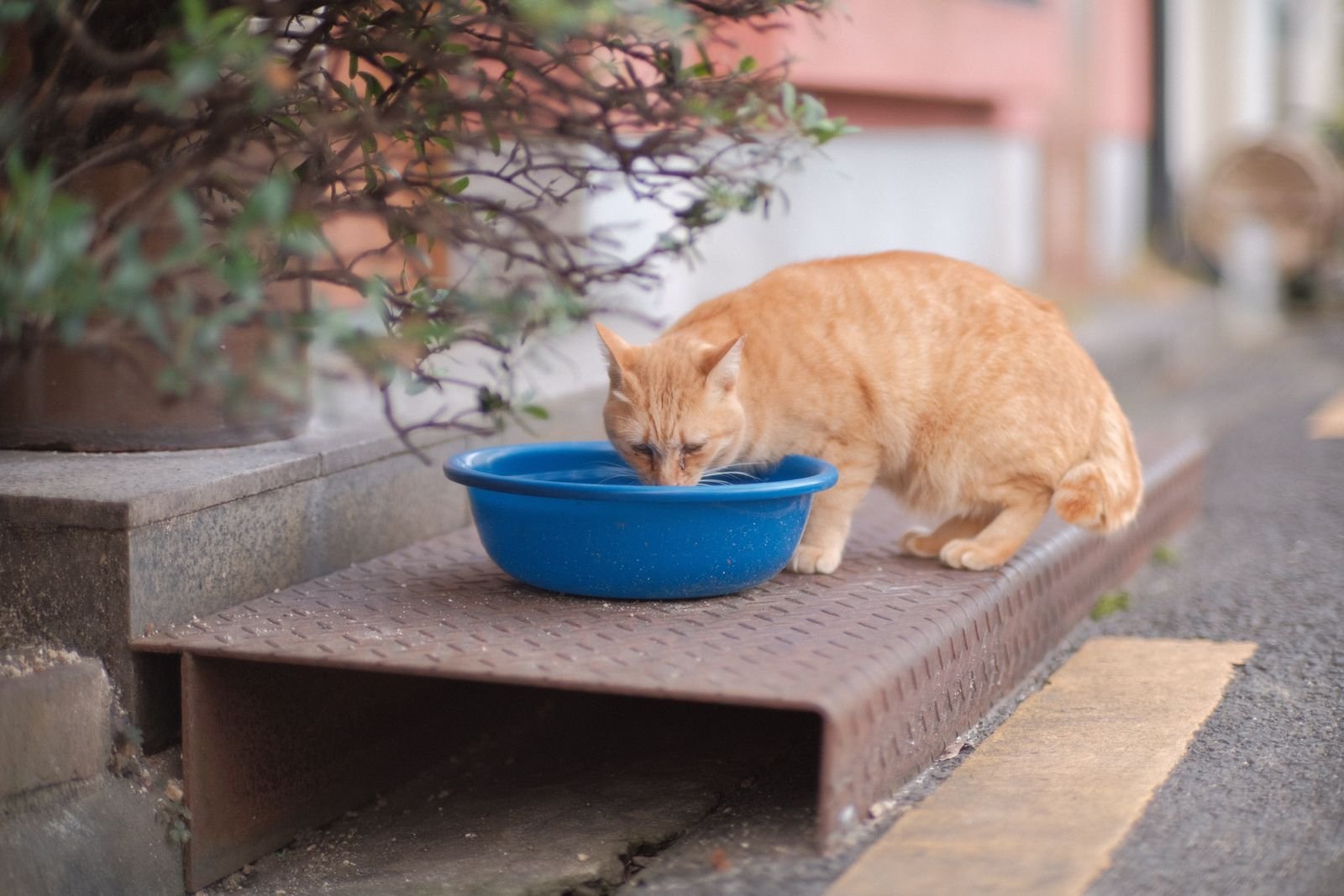
Many cats drink less water than they should. Domestic cats descend from desert-dwelling ancestors that got most of their moisture from prey, so they often have a weak drive to drink. For cats that eat mostly dry food, this can mean they live in a state of mild dehydration, which may increase the risk of urinary and kidney problems over time. The good news is that a few simple changes can encourage your cat to drink more and stay better hydrated.
How Much Water Does a Cat Need?
As a rough guide, an adult cat needs about 50 to 60 milliliters of water per kilogram of body weight each day, which is roughly 200 to 250 milliliters for an average 4 kg cat. This total includes the moisture in food. A cat on wet food gets much of this from its meals, while a cat on dry food needs to drink most of it from the bowl. Your veterinarian can give you a more precise target for your own cat.
Signs Your Cat May Be Dehydrated
- Dry or sticky gums
- Lethargy or low energy
- Reduced appetite
- Sunken-looking eyes
- Constipation or small, hard stools
- Skin that is slow to return to place when gently lifted at the shoulders
Dehydration can be serious. If your cat shows several of these signs, or stops eating or drinking, contact your veterinarian promptly.
1. Add More Wet Food
The single most effective way to increase your cat’s water intake is to feed more wet food. Canned and pouch foods are usually around 75 to 80 percent water, compared with about 10 percent for dry kibble. You do not have to switch completely. Replacing one dry meal a day with a wet meal can make a real difference. Change your cat’s diet gradually over about a week to avoid stomach upset.
2. Add Water to Meals
You can add a spoonful or two of warm water to wet food to make a gravy-like texture that many cats enjoy. Some owners also moisten dry food, but it should be eaten within a short time and not left out for hours, because moist kibble can spoil.
3. Try a Cat Water Fountain
Many cats prefer moving water, possibly because running water is usually fresher in nature. A pet fountain keeps water circulating and filtered, and the sound can attract your cat’s attention. Clean the fountain and replace the filter according to the manufacturer’s instructions, because a dirty fountain can put cats off drinking.
4. Choose the Right Bowl
Cats can be fussy about bowls. Some dislike their whiskers touching the sides of a narrow, deep bowl. Try a wide, shallow bowl made of ceramic, glass, or stainless steel. Plastic bowls can hold odors and develop scratches where bacteria can grow.
5. Place Water Away from Food
In the wild, cats avoid drinking near their food, likely because water near prey could be contaminated. Many pet cats share this instinct. Place water bowls a short distance away from the food bowl, and well away from the litter box.
6. Offer Several Water Stations
Put water bowls in different rooms and on different floors of your home. A cat is more likely to take a drink if water is always close by. Quiet spots work best, especially in homes with other pets or young children.
7. Keep the Water Fresh
Change the water at least once a day and wash bowls regularly with hot, soapy water. Cats have a strong sense of smell and may refuse stale water or bowls with a soapy residue, so rinse well. Some cats also prefer water that is cool, so a few ice cubes on warm days can help.
8. Experiment with Different Sources
Pay attention to what your cat already likes. If your cat tries to drink from a dripping tap, a glass on the table, or the shower, it may prefer a certain type of water source. You can use this as a clue when choosing bowls or a fountain.
9. Try Hydrating Treats
Low-sodium, onion-free and garlic-free broth made for cats, or lickable cat treats with high moisture content, can add a little extra fluid. These should be occasional extras rather than replacements for water. Always check the ingredient list.
When to Talk to Your Veterinarian
Drinking much more than usual can also be a warning sign. A sudden increase in thirst may point to conditions such as kidney disease, diabetes, or an overactive thyroid, which are common in older cats. If you notice your cat drinking or urinating much more or much less than normal, or straining in the litter box, see your veterinarian. Straining with little or no urine, especially in male cats, is an emergency.
Final Thoughts
Helping your cat drink more water is often as simple as adding wet food, moving the bowl, or trying a fountain. Small changes add up and can support healthy kidneys and urinary health in the long run. Watch your cat’s habits, keep water fresh and easy to reach, and ask your veterinarian if you notice any changes in thirst.
Related reading: Foods Cats Should Never Eat · How to Reduce Litter Box Smell · Signs Your Cat Is Stressed