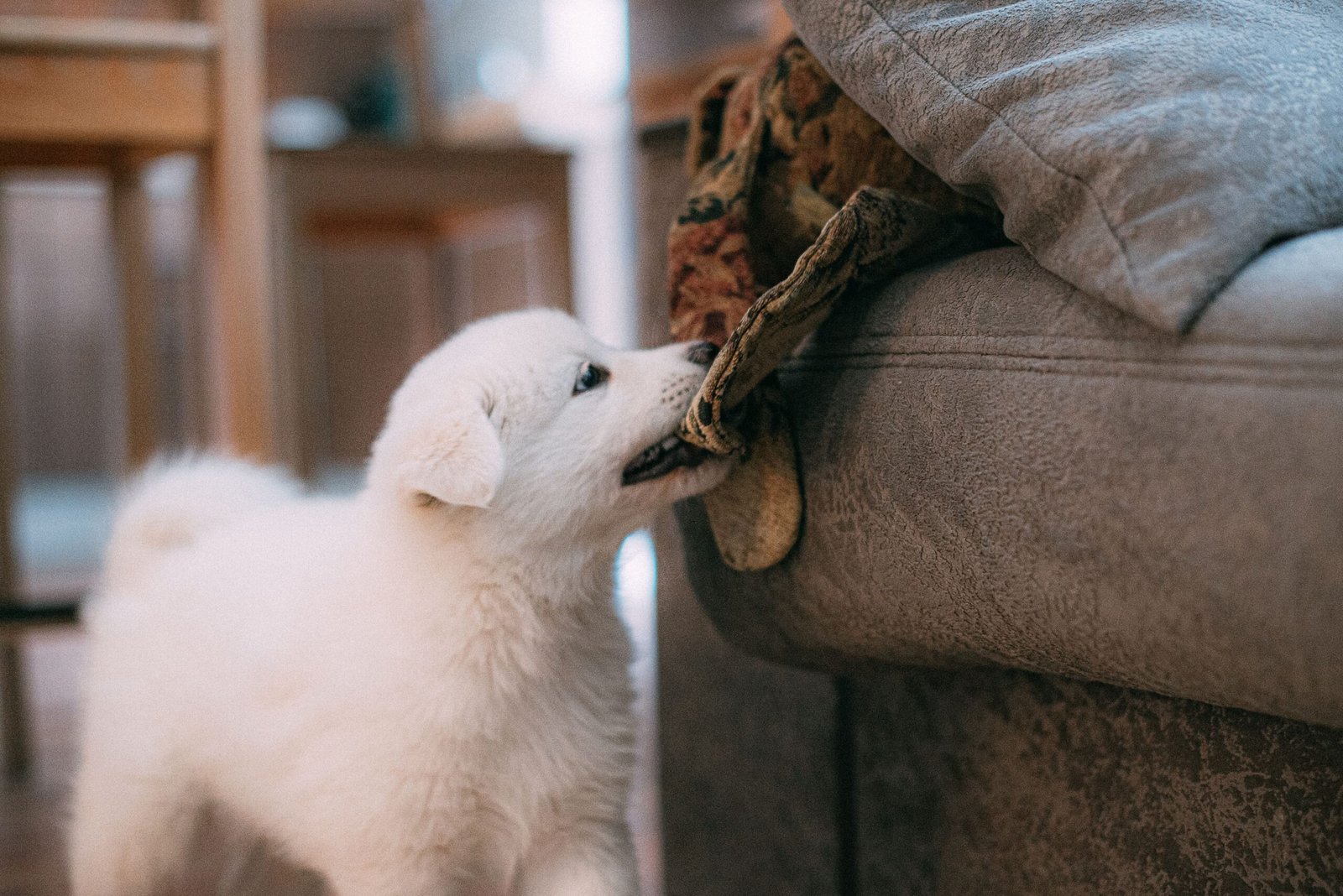
How to stop a puppy from biting
Puppy biting is common and very frustrating for new dog owners. Moreover, sharp teeth and playful nips can hurt fingers or ankles. This phase is normal; progress comes with the right approach. Understanding how to stop a puppy from biting helps you guide them.
Why Puppies Bite in the First Place
Generally, before jumping into solutions, it helps to understand why puppies bite so much. Puppies’ biting is a natural part of how they explore the world and interact with their littermates. Puppies use their mouths the way human babies use their hands, to touch, test, and learn.
Teething is another major factor. Additionally, between three and six months of age, puppies lose their baby teeth and grow adult ones. Chewing relieves the discomfort. Biting is also simply a form of play. Puppies wrestle and nip with littermates, and without others around, they redirect that energy toward human hands and feet. Knowing how to stop a puppy from biting is part of daily training.
Understanding this helps reframe the goal. You’re not trying to stop your puppy from ever using their mouth, you’re teaching them how to use it gently, a process called bite inhibition.
Teach Bite Inhibition Early
Bite inhibition is the ability to control the force of a bite, and it’s one of the most important skills a puppy can learn. Puppies naturally learn this from their littermates through play, but once they’re in a new home, it’s up to you to continue the lesson.
When your puppy bites too hard during play, let out a sharp, high-pitched “ow” and immediately stop playing. Withdraw your attention for 10 to 20 seconds. This mimics how a littermate would react to a painful bite, and most puppies quickly learn that hard biting ends the fun. Once your puppy calms down, resume play. If the biting happens again, repeat the process. Consistency here is what makes the lesson stick.
Redirect to Appropriate Chew Toys
Puppies need an outlet for their natural urge to chew, so redirecting that energy toward acceptable items is essential.
Keep a variety of chew toys within reach at all times. When your puppy starts nipping at your hands or clothing, calmly remove your hand and offer a toy instead. Praise them the moment they start chewing on the toy rather than you. Rotating toys every few days can also help keep your puppy interested, since novelty tends to hold their attention better than the same toy every day.
Avoid Rough Hand Play
It’s tempting to wrestle and play rough with an adorable puppy, but this can unintentionally encourage biting. If your puppy learns that hands are for playing and nipping, it becomes much harder to break that habit later.
Instead, use toys as the buffer between your hands and your puppy’s mouth. Tug toys, balls, and rope toys allow for plenty of active play without teaching your puppy that skin is fair game. If your puppy gets too worked up, it’s fine to pause playtime and give them a moment to settle down.
Use Positive Reinforcement Consistently
Positive reinforcement is far more effective than punishment when it comes to shaping a puppy’s behavior. Reward calm, gentle behavior with praise, treats, or affection so your puppy learns that gentle interaction gets a better response than biting.
Avoid yelling, hitting, or forcefully holding your puppy’s mouth shut. These methods can create fear and anxiety, which often makes biting worse rather than better, and can damage the trust you’re trying to build.
Give Your Puppy Enough Exercise and Mental Stimulation
A tired puppy is a calmer puppy. Much of the nipping and mouthing that owners struggle with comes from pent-up energy and boredom. Make sure your puppy gets age-appropriate exercise every day, along with mental stimulation through short training sessions, puzzle toys, and supervised playtime with other vaccinated, friendly dogs.
A puppy who has had a good outlet for their energy is far less likely to resort to biting out of restlessness or frustration.
Be Patient and Stay Consistent
Puppy biting doesn’t disappear overnight. It typically improves gradually over weeks and months as your puppy matures and learns better impulse control. The most important factor in success is consistency. Every family member should respond to biting the same way, using the same commands and reactions, so your puppy isn’t getting mixed signals.
Most puppies show significant improvement in biting behavior by six months of age, and it usually resolves almost entirely by the time they’re a year old, especially with consistent training.
When to Seek Professional Help
While most puppy biting is a normal developmental phase, some cases call for extra support. If biting seems unusually aggressive, is paired with growling or snapping outside of play, or doesn’t improve despite consistent training, it’s worth consulting a certified dog trainer or veterinary behaviorist. They can help rule out underlying issues and create a tailored plan for your puppy.
Final Thoughts
Puppy biting can be exhausting, but it’s a temporary and completely manageable stage of development. With consistent bite inhibition training, plenty of appropriate chew toys, positive reinforcement, and patience, your puppy will grow out of this phase and develop into a gentle, well-mannered companion. Stay consistent, stay calm, and remember that every puppy gets there eventually.