Cats are famous for hiding their feelings, which leaves many owners wondering whether their cat is truly happy. The good news is that a content cat sends plenty of clear signals through its body, voice, and daily habits. Learning to read these signs helps you build a stronger bond and notice early when something is wrong. Here are ten reliable signs that your cat feels safe, healthy, and happy at home.
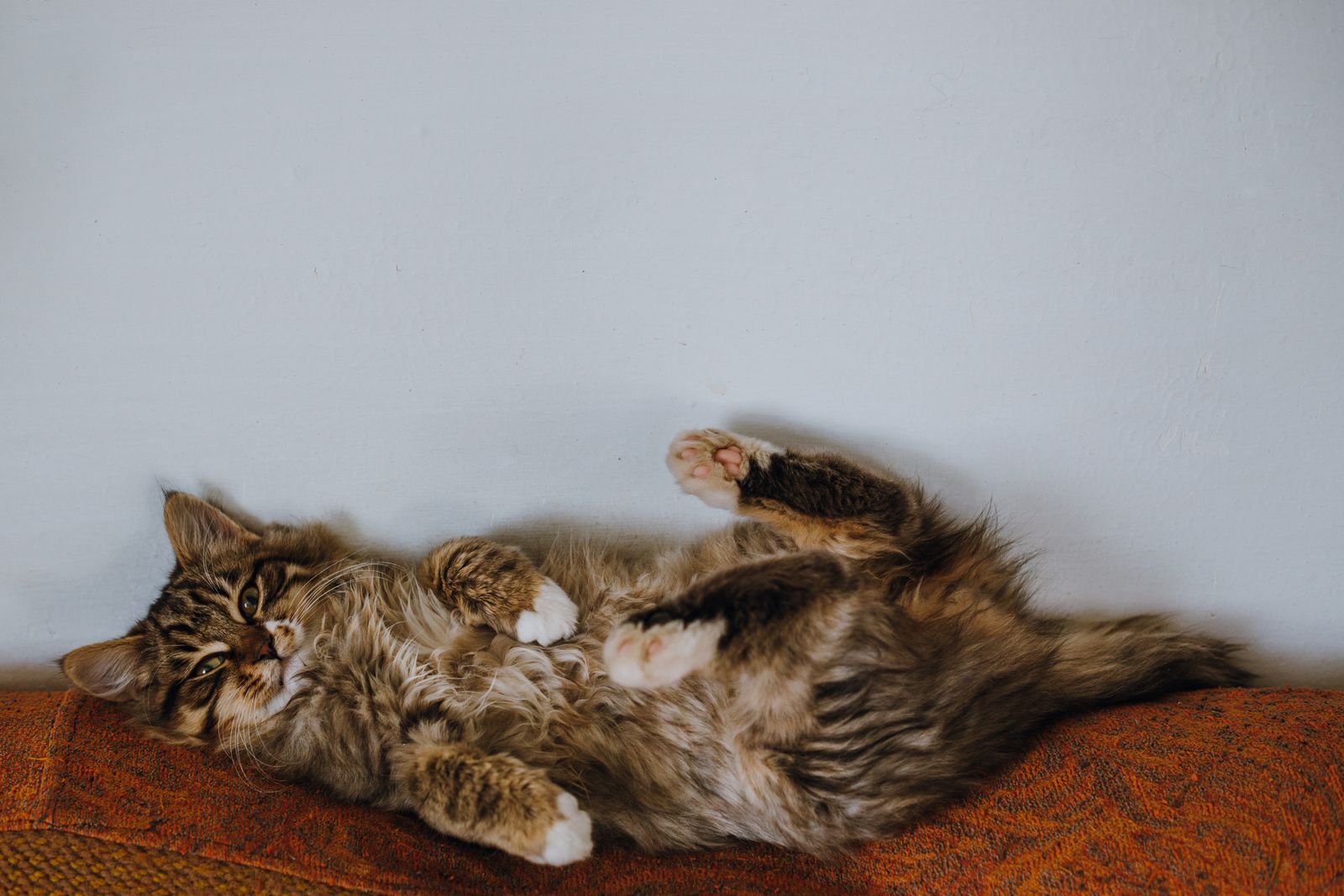
1. Relaxed Body Posture
A happy cat looks loose and comfortable. Its body is not hunched, its tail is not tucked, and its muscles are not tense. You may see your cat stretched out on the floor, curled loosely on a cushion, or lying with its paws tucked underneath in a relaxed “loaf” position.
2. Showing Its Belly
When a cat rolls over and shows its belly, it is displaying a high level of trust, because the belly is its most vulnerable area. Keep in mind that this is usually not an invitation for a belly rub. Many cats will grab or kick if you touch their stomach, even when they are perfectly happy. Enjoy the compliment and offer a gentle chin scratch instead.
3. Slow Blinking
A slow blink, where your cat looks at you and closes its eyes softly for a moment, is often called a “cat kiss.” It signals that your cat feels safe and relaxed with you. Try slow blinking back. Many cats will return the gesture, and research has found that cats are more likely to approach people who slow blink at them.
4. Tail Held High
A tail held straight up, sometimes with a small hook at the tip, is one of the friendliest signals a cat can give. Cats often greet people and other cats they like this way. A gently swishing tail can also mean interest or playfulness, while a fast lashing or puffed tail shows irritation or fear.
5. Purring in the Right Context
Purring while curled on your lap, being stroked, or settling down to sleep usually means contentment. However, cats also purr when they are stressed, in pain, or unwell, as a way to comfort themselves. Always read purring together with body language and behavior. A purring cat that is hiding, not eating, or breathing fast needs a vet check.
6. Kneading
Kneading is the rhythmic pushing of the front paws against a soft surface, sometimes called “making biscuits.” Kittens knead while nursing, and many adult cats keep the habit when they feel comfortable and secure. If your cat kneads on your lap, it is a sign that it associates you with comfort. Learn more in our guide to why cats knead.
7. Head Bunting and Rubbing
When your cat bumps its head against you or rubs its cheeks on your legs, it is marking you with scent glands found on its face. This behavior, known as bunting, shows that your cat considers you part of its family group. It is one of the clearest signs of affection a cat can give.
8. Healthy Appetite and Good Grooming
A happy, healthy cat eats regularly and keeps itself clean. Cats that are stressed or sick often lose their appetite, stop grooming, or develop a greasy or matted coat. On the other hand, excessive grooming that causes bald patches can also be a sign of stress or a skin problem. A steady routine of eating and normal grooming is a good indicator of wellbeing.
9. Playfulness and Curiosity
Content cats are curious about their surroundings. They explore new boxes, chase toys, watch birds from the window, and invite you to play. Play is especially important for indoor cats, because it burns energy and satisfies their hunting instinct. If your cat suddenly loses interest in play, it may be bored, stressed, or unwell. For easy ideas, see our list of cheap DIY cat toys.
10. Good Litter Box Habits
A happy cat uses its litter box reliably. Going outside the box is one of the most common signs that something is wrong, whether it is stress, a dirty box, a location the cat dislikes, or a medical problem such as a urinary infection. Sudden changes in litter habits should always be checked by a veterinarian.
Signs Your Cat May Not Be Happy
It is just as important to recognize the warning signs. Watch for:
- Hiding more than usual or avoiding family members
- Hissing, swatting, or unusual aggression
- Changes in appetite, weight, or water intake
- Over-grooming, or a messy, unkempt coat
- Urinating or defecating outside the litter box
- Excessive meowing, especially at night
Many of these signs can point to stress or a health issue. Our article on signs your cat is stressed explains common causes and how to help.
How to Keep Your Cat Happy
- Keep a predictable daily routine for feeding and play.
- Offer vertical spaces such as cat trees and shelves.
- Provide scratching posts in the rooms your cat uses most.
- Schedule short play sessions every day.
- Give your cat quiet hiding spots where it can rest undisturbed.
- Keep the litter box clean and in a calm location.
- Book regular veterinary checkups, even if your cat seems healthy.
Final Thoughts
Every cat is an individual, and some are naturally more outgoing than others. A shy cat may never sit on your lap, yet still show contentment through slow blinks, relaxed sleep, and a healthy routine. Pay attention to your own cat’s normal behavior, because changes from that baseline are the most useful clues. If you notice sudden or lasting changes, talk to your veterinarian.
Related reading: Signs Your Cat Is Stressed and How to Help · Why Do Cats Knead? · Why Is My Cat Meowing at Night?