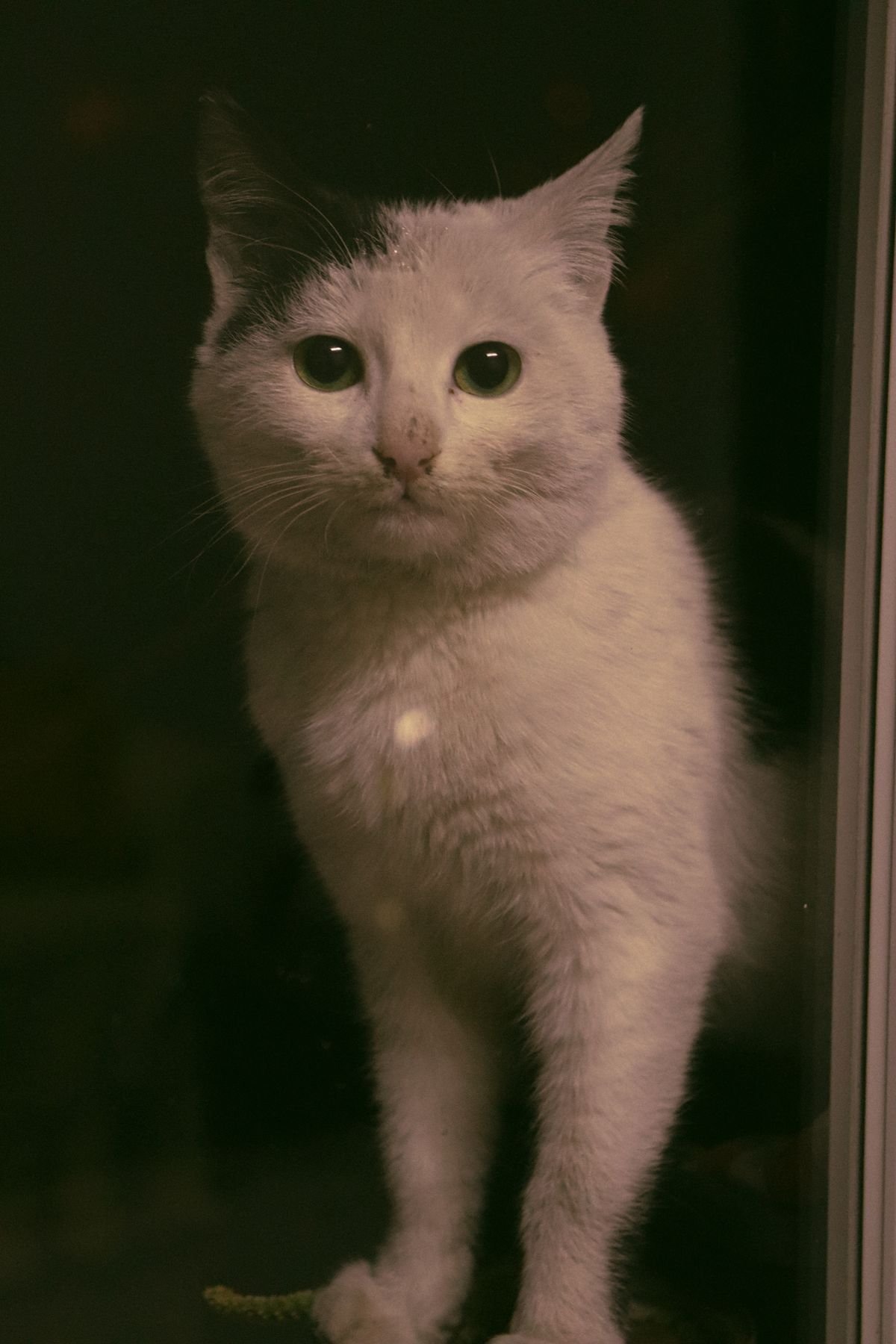
If your cat yowls at 3 a.m. while you are trying to sleep, you are not alone. Night time meowing is one of the most common complaints among cat owners. The good news is that it almost always has a cause, and most causes can be solved. This guide explains why cats meow at night and what you can do to restore quiet nights for everyone.
Why Cats Are More Active at Night
Cats are crepuscular, which means they are naturally most active at dawn and dusk. Their ancestors hunted in low light, so many house cats still have bursts of energy in the evening and early morning. A cat that sleeps all day while you are at work may be wide awake and ready to play just as you head to bed.
Common Reasons for Night Time Meowing
The most common reasons are hunger, boredom, loneliness, and a desire for attention. Cats quickly learn that meowing gets a response, even a negative one like being told to be quiet. Unspayed or unneutered cats may also yowl loudly to attract mates. Other causes include a dirty litter box, a stressful change in the home, or noises and animals outside the window.
Medical Causes You Should Not Ignore
Sudden or excessive meowing can be a sign of illness. Hyperthyroidism, high blood pressure, kidney disease, pain, and arthritis can all cause cats to cry at night. Older cats may also develop cognitive dysfunction, a condition similar to dementia in people, which can cause confusion and loud vocalizing in the dark. If the meowing is new, persistent, or comes with changes in appetite, thirst, weight, or litter box habits, book a veterinary visit.
How to Stop Night Time Meowing
Start by tiring your cat out in the evening. Play with a wand toy for ten to fifteen minutes, then feed a meal. This copies the natural pattern of hunt, catch, eat, and sleep. A timed feeder can also dispense a small meal during the night so your cat does not wake you for food.
Provide enrichment such as puzzle feeders, window perches, and scratching posts, so your cat has things to do while you sleep. Make sure the litter box is clean, and consider spaying or neutering if your cat is not already. If your cat is lonely, spending more quality time together during the day may help.
What Not to Do
Do not shout at your cat, spray water, or punish them, because this can increase stress and make the behavior worse. Avoid giving food or attention when your cat meows at night, since this rewards the habit. Wait for a quiet moment before responding, and give attention at other times of the day instead.
Tips for Senior Cats
Older cats may cry at night because of confusion, pain, or poor eyesight. Leave a nightlight on, keep food, water, and the litter box easy to reach, and maintain a consistent routine. Talk to your vet about treatments for pain and cognitive decline, which can make a big difference in comfort.
Frequently Asked Questions
Why does my cat meow at night for no reason? There is usually a reason such as boredom, hunger, or loneliness. If you cannot find one, ask your vet to rule out medical causes.
Should I ignore my cat at night? If your vet has ruled out health problems, ignoring attention seeking meows is often the best approach, as long as you provide plenty of attention and play at other times.
Will getting a second cat help? Sometimes, but not always. A new cat needs a slow introduction and may not solve the problem if the cause is medical.
Build a Night Time Routine That Helps
A consistent evening routine often reduces night time meowing. Play with your cat actively for 10 to 15 minutes before bed, then offer a meal, because a cat that has hunted, eaten and groomed is more likely to sleep. An automatic feeder can also stop early morning begging by serving breakfast on a schedule.
Try not to respond when your cat cries at night. Even scolding counts as attention and can reward the behavior. Wait for a quiet moment, then reward calm behavior during the day instead. Keep a litter box, fresh water and a comfortable bed within easy reach, especially for older cats.
If the meowing is new, loud or comes with confusion, restlessness or increased thirst, see your veterinarian, since medical conditions are a common cause in older cats.
Final Thoughts
Night time meowing can be frustrating, but it is usually a message from your cat that something is missing, whether it is play, food, comfort, or medical care. Be consistent, build a good evening routine, and see your veterinarian if anything seems off. With patience, most households get their quiet nights back.
Related reading: Foods Cats Should Never Eat: A Complete Safety Guide · How to Introduce Two Cats Safely: A Step-by-Step Guide