Dogs age faster than people, and many dogs are considered seniors from around seven years old, although large breeds may reach their senior years earlier and small breeds later. Older dogs often slow down, sleep more, and develop new health needs. With a few thoughtful changes to their routine and home, you can help your senior dog stay comfortable, happy, and active for as long as possible.
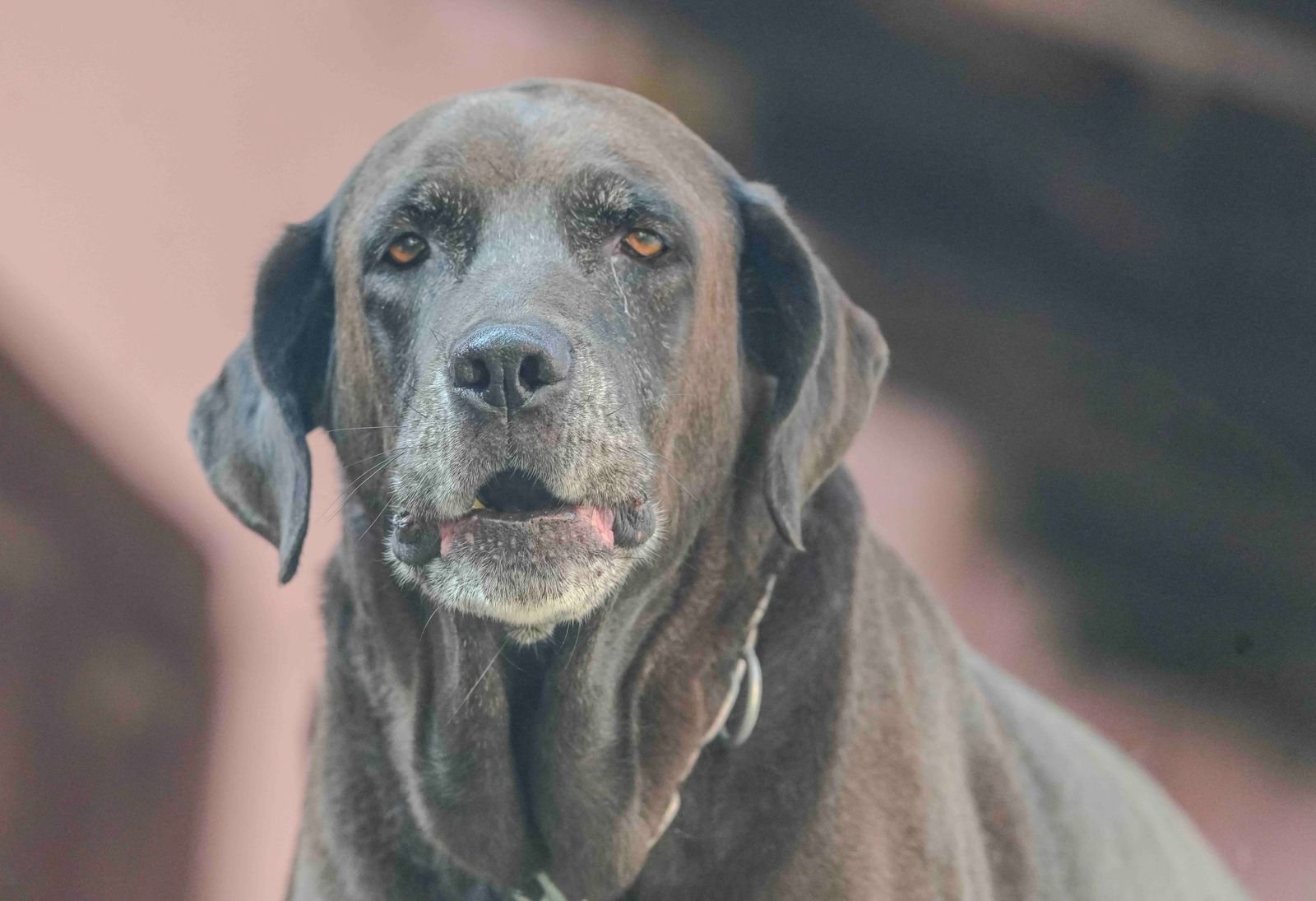
Signs Your Dog Is Getting Older
- Greying fur around the muzzle and eyes
- Sleeping more and moving more slowly
- Stiffness after rest, especially in the morning
- Reduced hearing or eyesight
- Weight gain or weight loss
- Changes in appetite or thirst
- Less interest in play or long walks
Some of these changes are normal aging, but others can signal treatable health problems, so it is important not to dismiss them as “just old age.”
1. Schedule Regular Vet Checkups
Senior dogs benefit from more frequent veterinary visits, often every six months. Regular checkups help catch problems such as arthritis, kidney disease, dental disease, heart conditions, and lumps early, when they are easier to manage. Your vet may recommend routine blood and urine tests.
2. Adjust Their Diet
Many older dogs need fewer calories because they are less active, while others struggle to keep weight on. Your vet can recommend a diet suited to your dog’s age, weight, and health. Keep your dog lean, because extra weight puts more stress on aging joints. Our guide on how to tell if your dog is overweight can help.
3. Keep Them Moving Gently
Exercise is still important for senior dogs. It helps maintain muscle, supports joints, and keeps the mind active. Swap long, intense walks for shorter, more frequent walks on soft surfaces. Swimming can be excellent for dogs with joint pain. Watch for signs of tiredness and let your dog set the pace.
4. Support Their Joints
Arthritis is very common in older dogs. Signs include stiffness, limping, difficulty climbing stairs, and reluctance to jump into the car. Talk to your vet about pain relief and joint support options. Never give your dog human pain medicines, which can be dangerous for dogs.
5. Make Your Home Senior-Friendly
- Add rugs or non-slip mats on slippery floors
- Use ramps or steps for sofas, beds, and cars
- Provide a thick, supportive orthopedic bed in a warm, quiet spot
- Raise food and water bowls slightly for dogs with neck or back stiffness
- Use baby gates to block stairs if your dog is unsteady
6. Keep Up With Dental Care
Dental disease is painful and can affect your dog’s overall health. Continue brushing your dog’s teeth regularly and ask your vet about professional cleanings. See our guide on how to brush your dog’s teeth at home.
7. Keep Their Mind Busy
Mental stimulation helps keep older dogs sharp. Try gentle sniffing games, food puzzles, and short training sessions to teach simple new tricks. Older dogs can still learn, and the activity keeps them engaged.
8. Groom and Check Regularly
Regular grooming keeps your dog comfortable and gives you a chance to check for lumps, skin changes, sore spots, or overgrown nails. Older dogs often wear down their nails less, so nail trims may be needed more often. See our guide on trimming your dog’s nails safely.
9. Be Patient With Changes
Some senior dogs develop hearing loss, vision loss, or confusion. Approach them calmly, use hand signals if they cannot hear well, keep furniture in the same place for dogs with poor eyesight, and stick to a predictable routine. Some older dogs may need more frequent toilet breaks.
10. Watch for Warning Signs
Contact your veterinarian if your senior dog shows:
- Sudden weight loss or gain
- Drinking or urinating much more than usual
- Coughing, difficulty breathing, or fainting
- New lumps or lumps that grow quickly
- Loss of appetite, vomiting, or diarrhea
- Confusion, pacing at night, or getting lost in familiar places
- Signs of pain, such as panting at rest, restlessness, or not wanting to be touched
Making Your Home Comfortable for an Older Dog
Small changes around the house can make daily life much easier for a senior dog. Many older dogs have stiff joints, weaker eyesight or hearing, and less energy, so comfort and safety become more important than ever.
- Place non-slip rugs or mats on smooth floors so your dog can walk and stand up with confidence.
- Use a thick, supportive orthopaedic bed in a warm spot away from draughts.
- Add ramps or steps to help with cars, sofas or beds instead of letting your dog jump.
- Raise food and water bowls slightly if your dog has neck or back stiffness.
- Keep furniture in the same place to help dogs with poor eyesight find their way.
- Offer shorter, more frequent walks and gentle play to keep muscles and joints moving.
- Book senior check-ups every six months so your vet can catch problems like arthritis, dental disease or kidney changes early.
Final Thoughts
Senior dogs have so much love to give. Regular vet care, the right diet, gentle exercise, and a comfortable home can make their later years some of their happiest. Pay attention to small changes, adapt their routine as needed, and enjoy the calm companionship that comes with an older dog.
Related reading: How Much Exercise Does Your Dog Need? · How to Choose a Good Veterinarian · Pet First Aid Kit Checklist
Helpful Resources
- American Kennel Club – Expert advice – training, health and care articles for dog owners
- AVMA – Resources for pet owners – veterinary guidance on preventive care