Guinea pigs are gentle, chatty little pets, and the right diet is one of the most important parts of keeping them healthy. Unlike many other small pets, guinea pigs cannot make their own vitamin C, so they must get it from their food every day. This guide explains what guinea pigs can eat, how much to feed, and which foods to avoid.
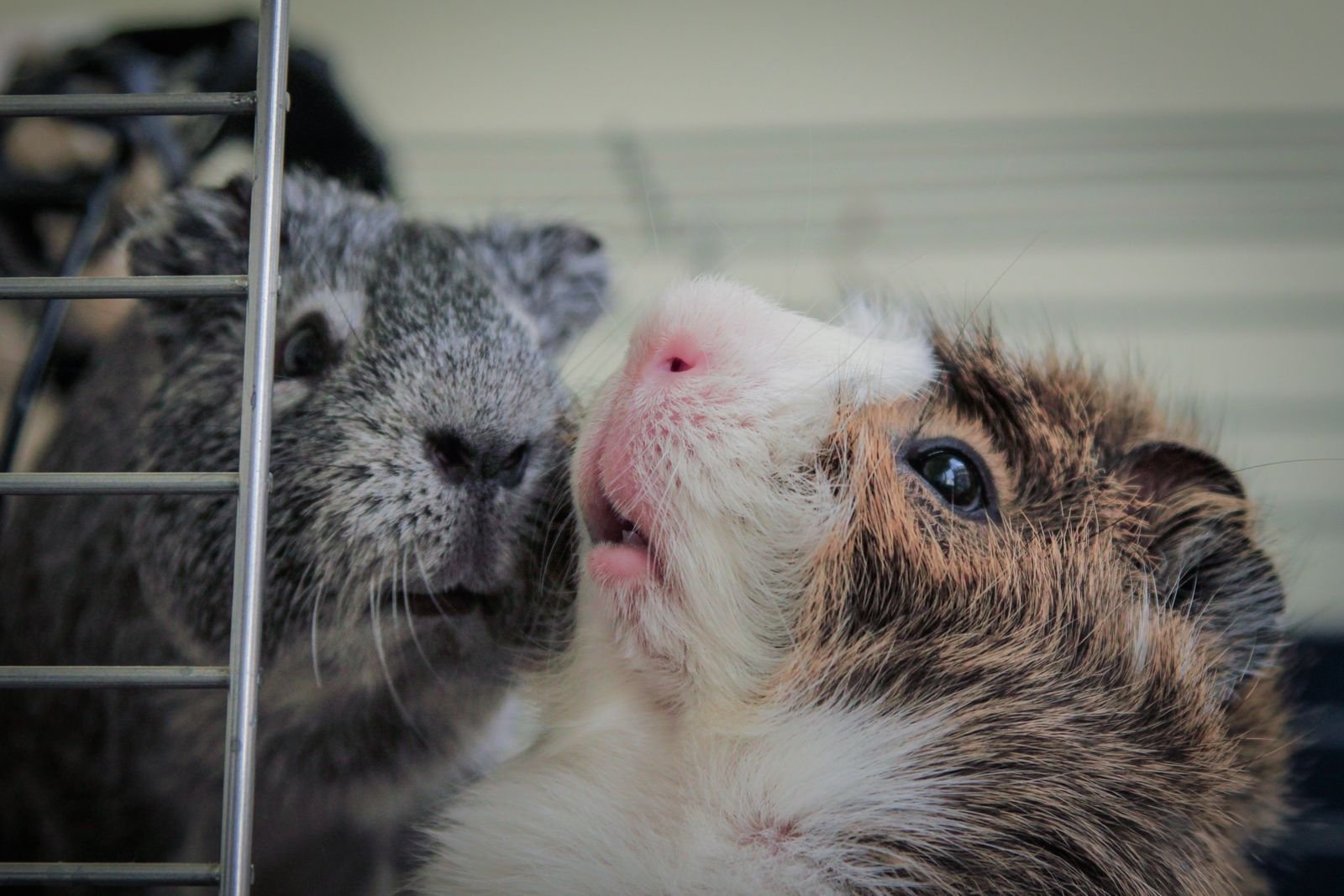
The Foundation: Unlimited Hay
Hay should make up the majority of your guinea pig’s diet. It provides the fiber they need for healthy digestion and keeps their constantly growing teeth worn down. Adult guinea pigs do well on grass hays such as timothy, orchard grass, or meadow hay. Offer fresh hay at all times, and replace it daily so it stays clean and appealing.
Young guinea pigs, and pregnant or nursing females, may benefit from some alfalfa hay because it is higher in calcium and protein. Adults usually do not need alfalfa, as too much calcium can contribute to bladder problems.
Guinea Pig Pellets
A small amount of high-quality guinea pig pellets provides extra nutrients, including added vitamin C. Choose plain pellets made specifically for guinea pigs rather than mixes with seeds, dried fruit, or colorful pieces. Many adult guinea pigs need only about one to two tablespoons per day. Check the guidance on your pellet package and ask your vet if you are unsure.
Vitamin C: A Daily Must
Guinea pigs need vitamin C every day to prevent scurvy, a serious condition that can cause weakness, joint pain, a rough coat, and dental problems. Fresh vegetables rich in vitamin C and fortified pellets are the best sources. Vitamin C added to drinking water breaks down quickly and can make guinea pigs drink less, so many vets do not recommend it. Talk to your veterinarian about supplements if needed.
Safe Vegetables for Guinea Pigs
Offer about one cup of fresh vegetables per guinea pig per day, split into two meals. Good options include:
- Bell peppers, especially red and yellow, which are very high in vitamin C
- Romaine lettuce and green or red leaf lettuce
- Cilantro (coriander) and parsley, in moderation
- Cucumber
- Zucchini
- Carrot tops, with carrots themselves as an occasional treat
- Small amounts of kale, spinach, and broccoli, as these are higher in calcium or can cause gas
Introduce new vegetables one at a time and watch for soft stools.
Safe Fruits (As Treats)
Fruit is high in sugar, so offer it only a couple of times per week in small pieces. Safe choices include:
- Apple (no seeds or core)
- Strawberries
- Blueberries
- Kiwi
- Orange segments, in very small amounts
- Melon
Foods Guinea Pigs Should Never Eat
- Onions, garlic, leeks, and chives
- Potatoes and potato peels
- Avocado
- Rhubarb
- Iceberg lettuce, which has little nutritional value and can cause diarrhea
- Chocolate, sweets, and caffeine
- Bread, crackers, cereal, and other processed human food
- Dairy products and meat
- Nuts and seeds, which are a choking risk and very high in fat
- Houseplants and garden plants unless you are sure they are safe
Fresh Water
Guinea pigs need fresh, clean water at all times. Use a water bottle or a heavy bowl, clean it regularly, and check bottles daily to make sure they are working.
Feeding Tips
- Feed fresh vegetables at the same times each day. Guinea pigs love routine and will often “wheek” loudly when they hear the fridge.
- Remove uneaten fresh food after a few hours.
- Wash all produce well before feeding.
- Never change the diet suddenly, as guinea pigs have sensitive digestive systems.
Signs of a Diet Problem
Contact a vet who treats small animals if your guinea pig stops eating, has diarrhea or very small droppings, drools, loses weight, or seems weak or in pain. Guinea pigs can become seriously ill quickly when they stop eating.
Sample Daily Menu for an Adult Guinea Pig
Guinea pigs do best on the same core diet every day, with small changes in their vegetables for variety. This example shows what a balanced day might look like for one healthy adult guinea pig. Always introduce new foods slowly and check with your vet if your pet has health conditions.
- Unlimited: fresh grass hay such as Timothy or meadow hay, available all day and night.
- Morning: about a handful of leafy greens, such as romaine lettuce, coriander and a little parsley.
- Evening: a few pieces of vitamin C-rich vegetables, such as bell pepper strips, with a small amount of another green.
- Daily: a small portion (around one tablespoon) of plain guinea pig pellets with added vitamin C.
- Occasionally: a small piece of fruit like apple or strawberry as a treat, a few times a week at most.
- Always: fresh, clean water in a bottle or heavy bowl, changed every day.
Final Thoughts
A healthy guinea pig diet is simple: unlimited hay, a small portion of plain pellets, a daily serving of fresh vegetables rich in vitamin C, and fresh water. Keep sugary fruits as occasional treats and avoid the foods on the unsafe list. For more care basics, read our guinea pig care guide for beginners.
Related reading: Guinea Pig Care for Beginners · What Do Rabbits Eat? · What Can Hamsters Eat?
Helpful Resources
- RSPCA – Pet care advice – welfare guidance for rabbits, guinea pigs and rodents
- ASPCA – General pet care – care tips for small pets