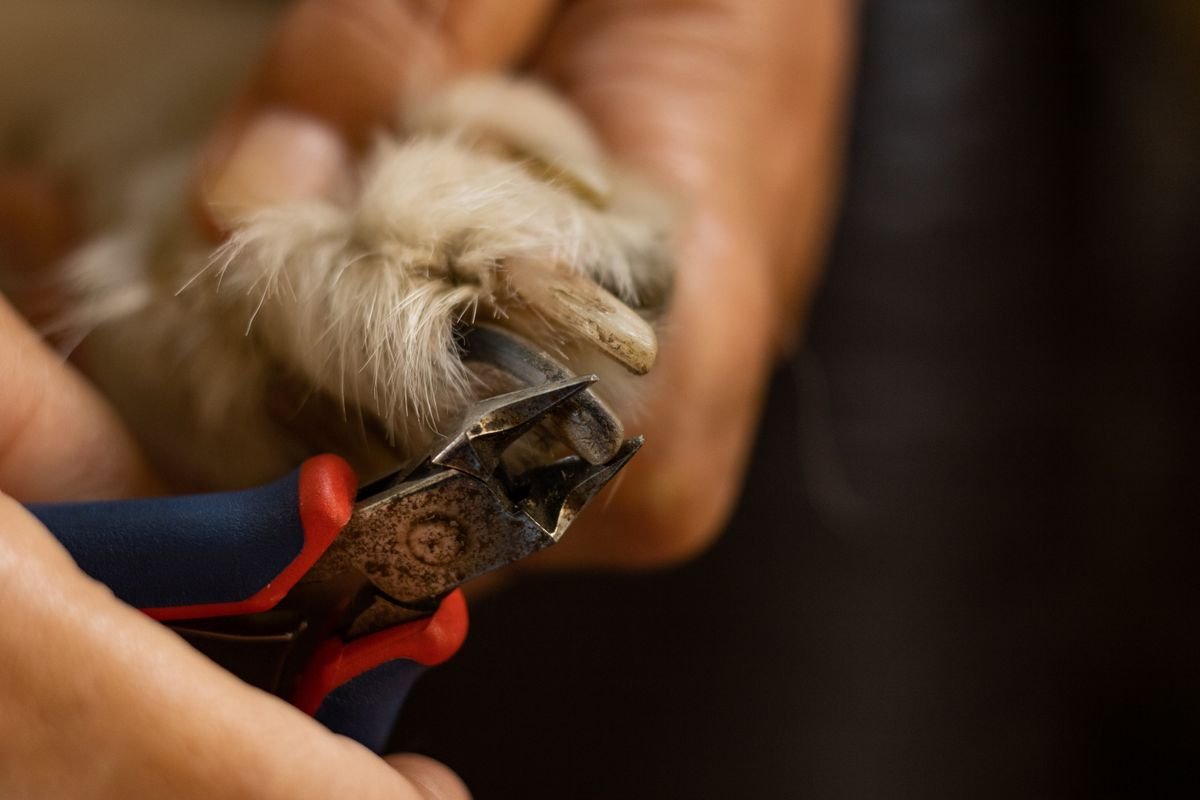
Trimming your dog’s nails can feel stressful, but it is one of the most important parts of grooming. Overgrown nails can cause pain, change the way your dog walks, and even lead to joint problems over time. The good news is that with the right tools and a calm approach, you can do it safely at home.
Why Nail Trimming Matters
Long nails click on the floor, snag on carpets, and push the toes out of alignment. Over time this puts strain on the paws, legs, and spine. Regular trims keep your dog comfortable and help prevent splitting and infections.
Tools You Will Need
A good pair of dog nail clippers (scissor or guillotine style) or a grinder, styptic powder to stop bleeding if you cut too short, and plenty of tasty treats. Choose a size that suits your dog, and keep the blades sharp for a clean cut.
Step-by-Step Guide
Start by letting your dog sniff the clippers and get used to the sound. Hold the paw gently but firmly, and press the toe pad so the nail extends. Trim a small amount at a time, cutting at a slight angle and staying well away from the quick, the pink area inside the nail that contains blood vessels. On dark nails, trim tiny slivers until you see a small dark dot in the center of the cut surface, then stop.
What If You Cut the Quick?
Don’t panic. Apply styptic powder or cornstarch to the nail and press gently for a minute or two. Bleeding usually stops quickly. Give your dog a treat and some reassurance before trying again later.
How Often Should You Trim?
Most dogs need a trim every three to four weeks. If you can hear your dog’s nails clicking on hard floors, it is time. Active dogs who walk on pavement may wear their nails down naturally and need trims less often.
Tips for Nervous Dogs
Start young if you can, and keep sessions short. Trim one or two nails a day rather than all at once. Reward every step with treats and praise. If your dog is extremely anxious or aggressive, ask your vet or a professional groomer for help.
Common Mistakes to Avoid
Even experienced owners slip up. The most common mistake is cutting too much at once. Take off tiny slivers and stop early rather than risking the quick. Another mistake is using dull or poor-quality clippers, which crush the nail instead of slicing it and cause splitting. Rushing is also a problem: a frightened dog will pull away, so schedule trims when your dog is relaxed, such as after a walk or a meal. Finally, many owners forget the dewclaws, the small nails higher up on the inner leg. They never touch the ground, so they do not wear down and can curl into the skin if left alone.
Clippers vs. Grinders: Which Is Better?
Clippers are quick, quiet, and inexpensive, which makes them a good choice for small dogs and for owners who want to finish fast. Grinders smooth the nail gradually, give you more control near the quick, and leave a rounded edge, but the noise and vibration can scare some dogs. If your dog is nervous, introduce the grinder slowly: turn it on near them while giving treats, then touch it to the nail for only a second at first. Many owners keep both tools and choose depending on the dog’s mood.
Signs Your Dog’s Nails Are Too Long
A dog with healthy nails stands with the paws flat and the nails just above the ground. If you hear constant clicking on tile or wood floors, if the nails touch the ground when your dog stands, or if your dog slips on smooth surfaces, the nails need attention. Some dogs also lick their paws, limp, or avoid walking on hard floors when their nails are overgrown. Left untreated, long nails can split, break, or grow into the paw pad, which is painful and may lead to infection.
Frequently Asked Questions
Can I use human nail clippers on my dog? No. Human clippers are the wrong shape and can crush or split a dog’s thicker nails. Use clippers designed for dogs.
How do I find the quick on black nails? Trim very small pieces and look at the cut surface. When you see a gray or pink oval in the center, you are close to the quick, so stop there.
Should I trim a puppy’s nails? Yes. Starting in the first weeks helps your puppy get used to having their paws handled, and it makes lifelong grooming much easier.
When should I see a vet or groomer? If a nail is bleeding heavily, cracked, infected, or ingrown, or if your dog panics every time, ask a professional for help.
Final Thoughts
With patience and practice, nail trimming becomes a simple routine that keeps your dog healthy and happy. Stay calm, go slowly, reward often, and make every session a positive experience. Your dog’s paws, joints, and floors will thank you.
Related reading: Why Is My Dog Not Eating? Common Causes · Signs of Separation Anxiety in Dogs