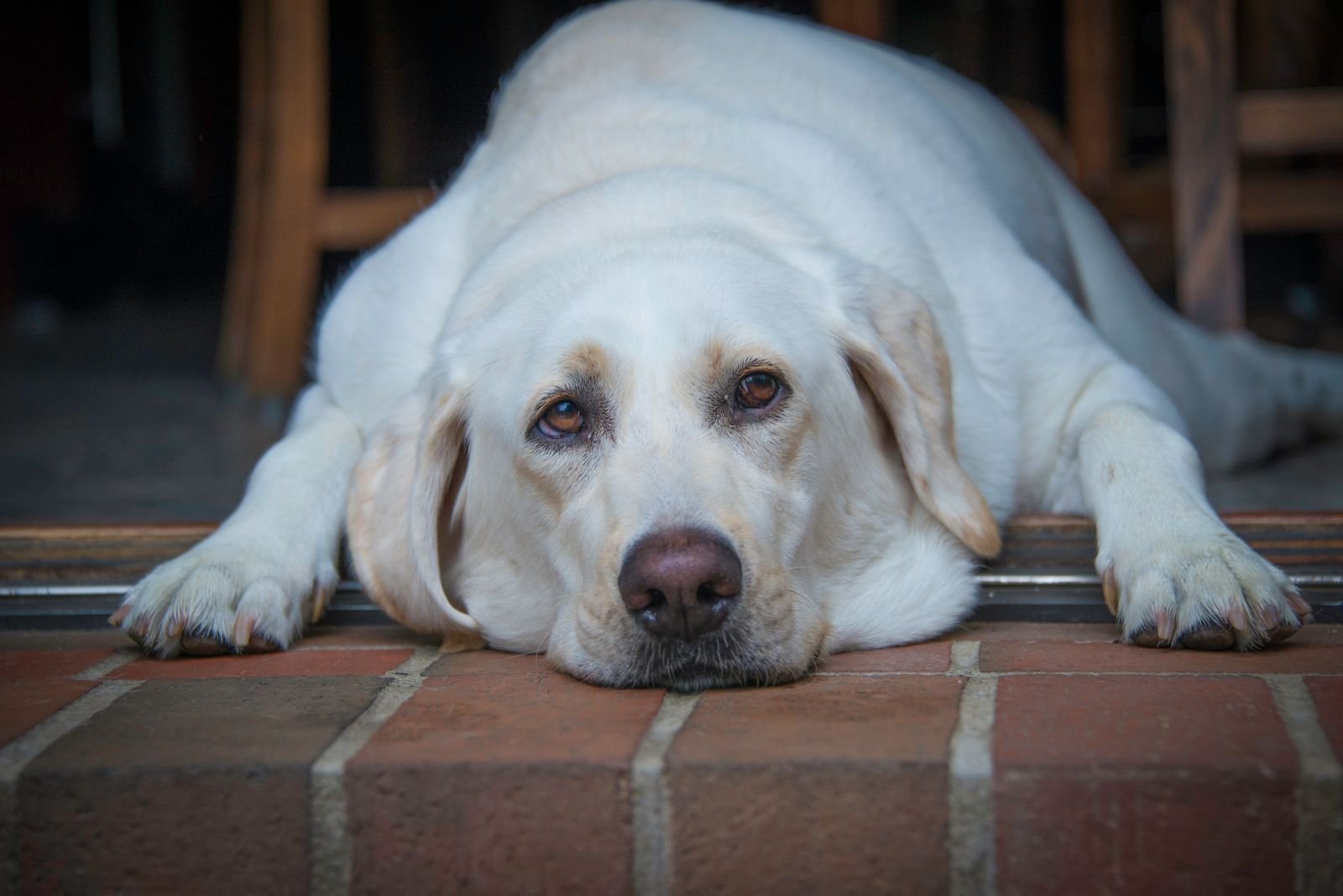
Many dogs carry extra weight without their owners realizing it. Because the change usually happens slowly, a few extra kilos can go unnoticed until a vet points it out. Extra weight is not just a cosmetic issue. It can shorten a dog’s life and increase the risk of several health problems. This guide shows you how to check whether your dog is overweight and how to help them reach a healthy weight safely.
Why Weight Matters
Excess weight puts extra strain on your dog’s joints, heart, and lungs. Overweight dogs are more likely to develop arthritis, diabetes, breathing problems, and heat intolerance, and they may tire more quickly on walks. Studies of dogs have also linked a lean body condition with a longer, healthier life.
How to Check Your Dog at Home
The scale tells only part of the story, because a healthy weight depends on your dog’s breed, frame, and muscle. Veterinarians often use a body condition score. You can do a simple version at home:
- Ribs: Run your hands along your dog’s sides. You should be able to feel the ribs easily with light pressure, a bit like feeling the back of your hand. If you have to press firmly, your dog may be carrying extra fat.
- Waist from above: Look down at your dog while they stand. You should see a visible waist behind the ribs.
- Tummy tuck from the side: From the side, the belly should slope upward from the chest toward the back legs instead of hanging level or sagging.
- Fat pads: Check for soft fat deposits at the base of the tail, over the hips, or on the neck.
If you cannot feel the ribs, cannot see a waist, or notice a sagging belly, talk to your veterinarian about your dog’s ideal weight.
Common Causes of Weight Gain
- Overfeeding, including generous scoops of dry food
- Too many treats and table scraps
- Not enough exercise
- Neutering, which can lower energy needs
- Age, as older dogs are often less active
- Certain medical conditions, such as an underactive thyroid
How to Help Your Dog Lose Weight Safely
Always start with a veterinary check. Your vet can rule out medical causes, set a target weight, and calculate how much your dog should eat. Then follow these steps:
Measure Every Meal
Use a kitchen scale or a proper measuring cup instead of guessing. Even small daily extras can add up quickly.
Cut Back on Treats
Treats should make up no more than about 10 percent of your dog’s daily calories. Use small pieces, and swap some treats for low-calorie options such as plain green beans or carrot pieces. Always check our list of foods dogs should never eat before sharing human food.
Stop Table Scraps
Make sure everyone in the household agrees not to feed scraps from the table.
Increase Activity Gradually
Add a few extra minutes to daily walks, include play sessions, or try gentle activities like swimming for dogs with joint problems. Build up slowly, especially for older or very overweight dogs.
Use Food Puzzles
Feeding meals from puzzle toys slows eating, keeps your dog busy, and helps them feel more satisfied.
Weigh Your Dog Regularly
Weigh your dog every two to four weeks and keep a record. Safe weight loss is slow and steady. Your vet can tell you a healthy rate of loss for your dog.
Mistakes to Avoid
- Cutting food drastically without veterinary advice
- Switching to human “diet” foods, which may not meet your dog’s needs
- Giving up after a slow first month
- Forgetting to count treats and chews
Final Thoughts
Helping your dog reach a healthy weight is one of the best things you can do for their long-term health and happiness. Check your dog’s body condition regularly, measure meals, limit treats, keep them active, and work with your veterinarian on a plan. Small daily changes make a big difference over time.
Related reading: How Much Exercise Does Your Dog Need? · Why Is My Dog Not Eating? · How to Choose a Good Veterinarian
Helpful Resources
- American Kennel Club – Expert advice – training, health and care articles for dog owners
- AVMA – Resources for pet owners – veterinary guidance on preventive care