Indoor cats are protected from traffic, predators, and many diseases, and they often live longer than cats that roam outside. But life indoors can become dull without the right setup. Bored cats may overeat, sleep excessively, scratch furniture, or develop stress-related behaviors. The solution is enrichment: simple changes that let your cat hunt, climb, explore, and play. Here are twelve easy ideas you can start today.
Why Enrichment Matters
Cats are natural hunters. In the wild, they spend a lot of their day stalking, chasing, and catching small prey. Indoor cats still have these instincts. Enrichment gives them healthy ways to use their energy and helps prevent problems such as weight gain, over-grooming, and night-time activity.
1. Schedule Daily Play Sessions
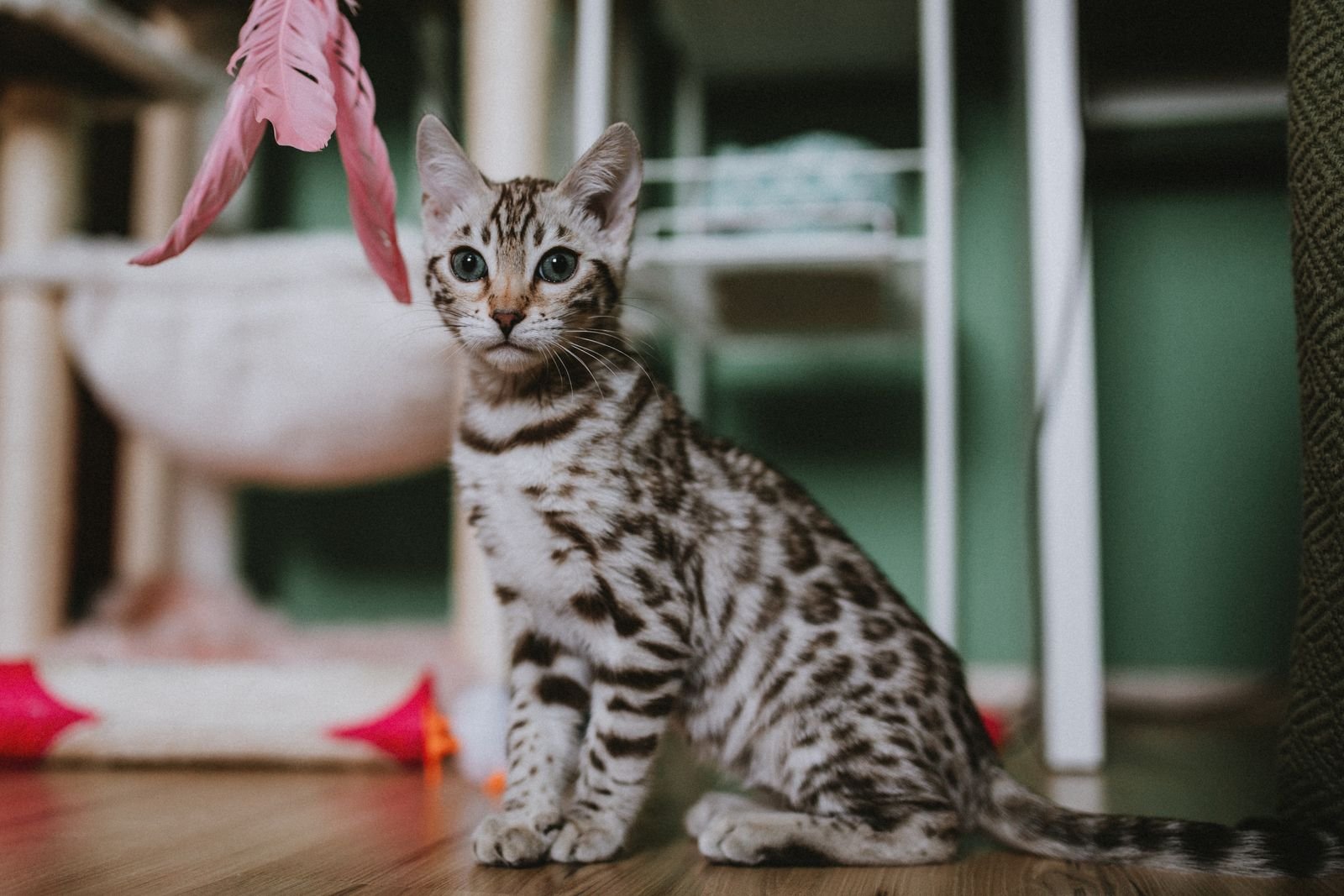
Aim for at least two short play sessions a day, around 10 to 15 minutes each. Wand toys with feathers or fabric at the end are excellent because they let your cat stalk, pounce, and “catch” their prey. End each session by letting your cat catch the toy, then offer a small meal or treat to complete the hunt-catch-eat cycle.
2. Rotate Toys
Cats lose interest in toys that are always lying around. Keep a few toys out and store the rest. Swap them every few days so they feel new again.
3. Make DIY Toys
You do not need to spend much money. Paper balls, cardboard tubes, and crinkly paper bags with the handles removed can provide hours of fun. Get more ideas from our list of cheap DIY cat toys you can make at home.
4. Use Food Puzzles
Food puzzles and treat balls make cats work for their food, just as they would when hunting. Start with easy puzzles and gradually make them more challenging. You can also hide small portions of dry food around the house for your cat to find.
5. Add Vertical Space
Cats feel safe when they can watch the world from above. Cat trees, wall shelves, and cleared spots on top of bookcases give your cat more territory without needing more floor space.
6. Create a Window Perch
A comfortable perch by a window provides endless entertainment. Place a bird feeder outside the window, if possible, for natural “cat TV.” Make sure window screens are secure.
7. Provide Scratching Options
Scratching is a natural behavior that keeps claws healthy and marks territory. Offer both vertical posts and horizontal scratching pads in different materials. Learn more in our guide on why cats scratch furniture.
8. Offer Hiding Spots
Cardboard boxes, covered beds, and tunnels give cats places to hide, rest, and ambush toys. Hiding spots are especially important in busy households.
9. Grow Cat Grass
Many cats enjoy nibbling on cat grass, such as wheat or oat grass. Growing a small pot indoors gives your cat a safe plant to chew. Keep toxic houseplants, especially lilies, completely out of your home.
10. Try Scent Enrichment
Cats experience the world through smell. Offer safe scents such as catnip or silver vine, or bring in a clean cardboard box or a leaf from outside for your cat to investigate.
11. Train Your Cat
Yes, cats can learn tricks. Using small treats and a clicker or a marker word, you can teach your cat to sit, high-five, or come when called. Short training sessions provide mental stimulation and strengthen your bond.
12. Safe Outdoor Time
Some cats enjoy supervised outdoor time in a secure enclosure, often called a “catio,” or on a well-fitted harness and leash. Introduce a harness slowly and always supervise.
Signs Your Cat Needs More Enrichment
- Overeating or weight gain
- Excessive sleeping or lack of interest in surroundings
- Destructive scratching
- Waking you up at night or meowing a lot
- Over-grooming
Some of these signs can also point to stress or health problems. If you notice sudden changes, talk to your veterinarian. Our article on signs your cat is happy can help you understand your cat’s mood.
A Weekly Enrichment Plan for Indoor Cats
Indoor cats are safer from traffic and many diseases, but they rely on us to keep their minds and bodies busy. A simple weekly plan makes it easy to give your cat variety without buying lots of new things.
- Monday: hide small portions of dry food around the house for a “treasure hunt”.
- Tuesday: two short wand-toy sessions that end with your cat catching the toy and getting a treat.
- Wednesday: offer a cardboard box or paper bag (handles removed) to explore.
- Thursday: try a puzzle feeder or a homemade one made from a toilet roll tube.
- Friday: open a window with a secure screen or set up a bird-watching spot.
- Weekend: grow some cat grass, rotate toys, and spend quiet time grooming or relaxing together.
Final Thoughts
A happy indoor cat needs more than food and a litter box. Daily play, places to climb and hide, food puzzles, and new things to explore can transform your cat’s quality of life. Start with one or two ideas, watch what your cat enjoys, and build from there.
Related reading: Cheap DIY Cat Toys · Is Your Cat Happy? 10 Signs · Why Is My Cat Meowing at Night?
Helpful Resources
- International Cat Care – expert advice on cat health and behaviour
- Cornell Feline Health Center – veterinary information on cat health