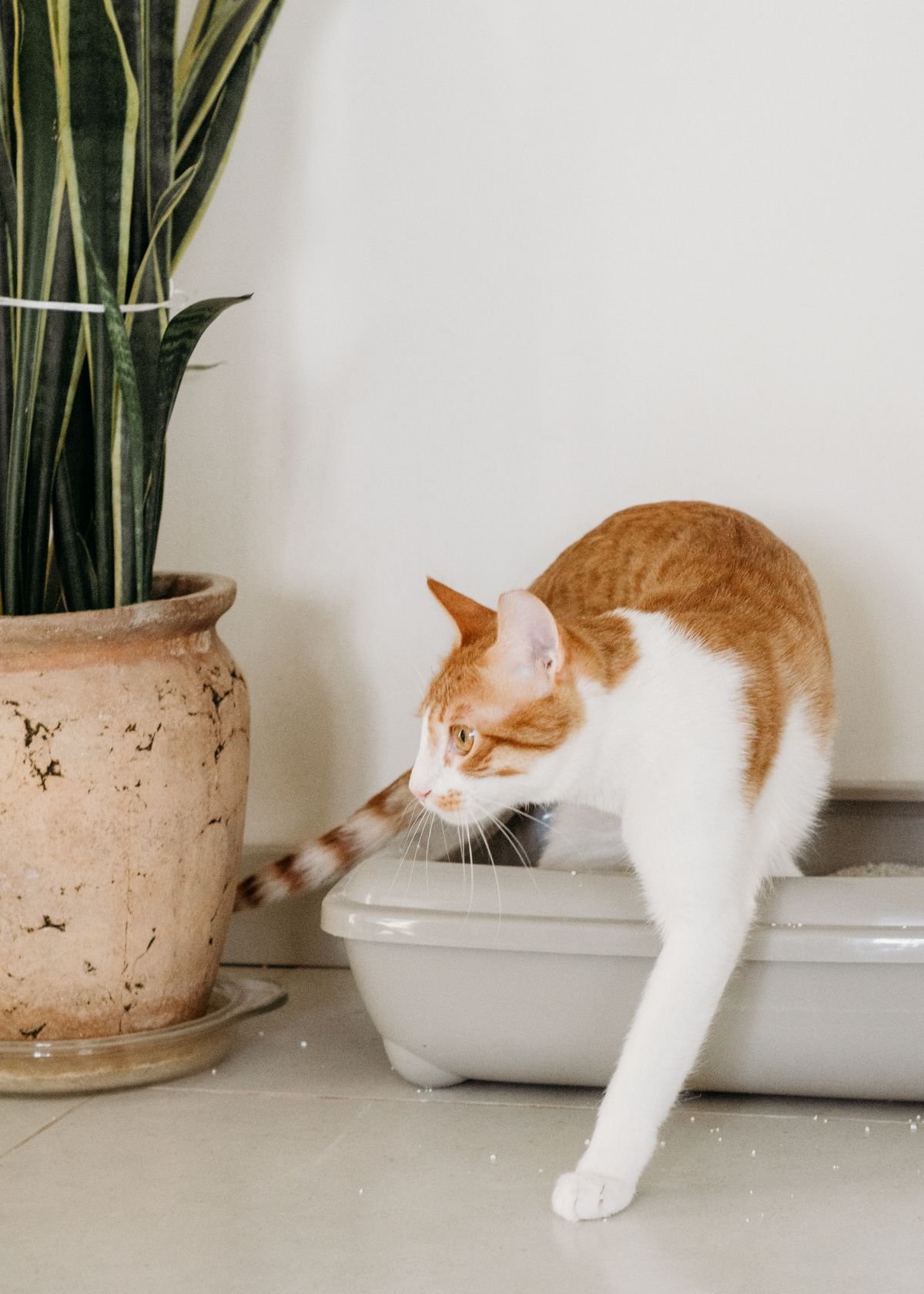
A smelly litter box is one of the most common complaints of cat owners, and it can even cause cats to avoid the box entirely. The good news is that you do not need harsh chemicals or expensive gadgets to keep odors under control. These eight simple tips work for most homes, and they also keep your cat happier and healthier.
Why Litter Boxes Smell
Odor comes mainly from ammonia in urine and bacteria breaking down waste. The longer waste sits, the stronger the smell becomes. Poor litter, a dirty box, too few boxes, or a cat’s diet or health condition can all make odors worse. Understanding the cause helps you choose the right solution.
Tip 1: Scoop at Least Once a Day
Daily scooping is the single most effective step. Remove clumps and solid waste every day, and twice a day if you have several cats. Keep a scoop and a lined trash bin close to the box so the habit becomes easy.
Tip 2: Choose a Good Litter
Clumping litter makes it easy to remove urine, and many brands offer strong odor control. Avoid heavily perfumed litters, since cats often dislike them and may refuse to use the box. If you switch types, mix the new litter into the old gradually over a week or so.
Tip 3: Use Enough Litter, but Not Too Much
Aim for about two to three inches of litter. Too little lets urine reach the bottom of the box, which causes stubborn smells. Too much is wasteful and can make the box less comfortable. Most cats like a depth they can dig in easily.
Tip 4: Wash the Box Regularly
Even with daily scooping, plastic absorbs odor over time. Every one to two weeks, empty the box, wash it with warm water and mild unscented soap, rinse well, and dry it before refilling. Avoid strong cleaners, such as ammonia or bleach mixtures, which can harm your cat. Replace old, scratched plastic boxes every year or so.
Tip 5: Provide Enough Boxes
The general rule is one box per cat plus one extra. Spreading the waste across several boxes keeps each one cleaner and reduces smells. Place boxes in different areas so cats do not have to compete.
Tip 6: Pick the Right Location
Choose a quiet, well-ventilated spot away from food and water. Avoid tiny closets with no airflow, which trap odors. Good ventilation helps smells dissipate, and a calm location encourages your cat to use the box consistently.
Tip 7: Try Baking Soda or Odor Absorbers
A thin layer of baking soda under the litter can help absorb odors. Pet-safe activated charcoal filters or odor-absorbing products can also help. Check that any product is labeled safe for cats, and never use scented sprays directly in the box.
Tip 8: Check Your Cat’s Health and Diet
A sudden change in smell can signal a medical problem such as a urinary tract infection, kidney disease, or digestive trouble. A diet high in poor-quality ingredients can also create stronger waste odors. If you notice a strong change in smell, more frequent urination, straining, or blood, call your veterinarian promptly.
Frequently Asked Questions
How often should I change all the litter? For clumping litter, a full change every two to four weeks is typical, along with daily scooping and topping up.
Do covered litter boxes reduce smell? They hide odor from people but can trap smell inside, which some cats dislike. Try both and watch your cat’s behavior.
Why does my cat avoid the litter box? Common reasons include a dirty box, a new litter, stress, or a medical issue. See your vet if the problem continues.
When the Smell Does Not Go Away
If the box still smells after regular scooping and washing, look at the details. Old plastic boxes develop tiny scratches that hold odor, so replacing the box every year or so can help. Use an enzyme-based cleaner on any spot where your cat has urinated outside the box, because ordinary cleaners may leave a trace that attracts your cat back to the same spot.
Strong scented litters and sprays may make the problem worse for your cat even if they smell nice to you, and some cats avoid them. A sudden change in odor or in litter box habits can also be a health sign. Urinary problems, diarrhea and kidney issues can all change how the box smells, so talk to your veterinarian if the change is sudden or your cat strains or cries in the box.
Final Thoughts
A fresh, clean litter box keeps your home pleasant and your cat comfortable. Scoop daily, wash regularly, choose a good litter, and give your cat enough boxes in good locations. If odors suddenly change, talk to your vet, because the nose often notices a problem before anything else does.
Related reading: How to Introduce Two Cats Safely: A Step-by-Step Guide · Why Is My Cat Meowing at Night? Causes and Solutions