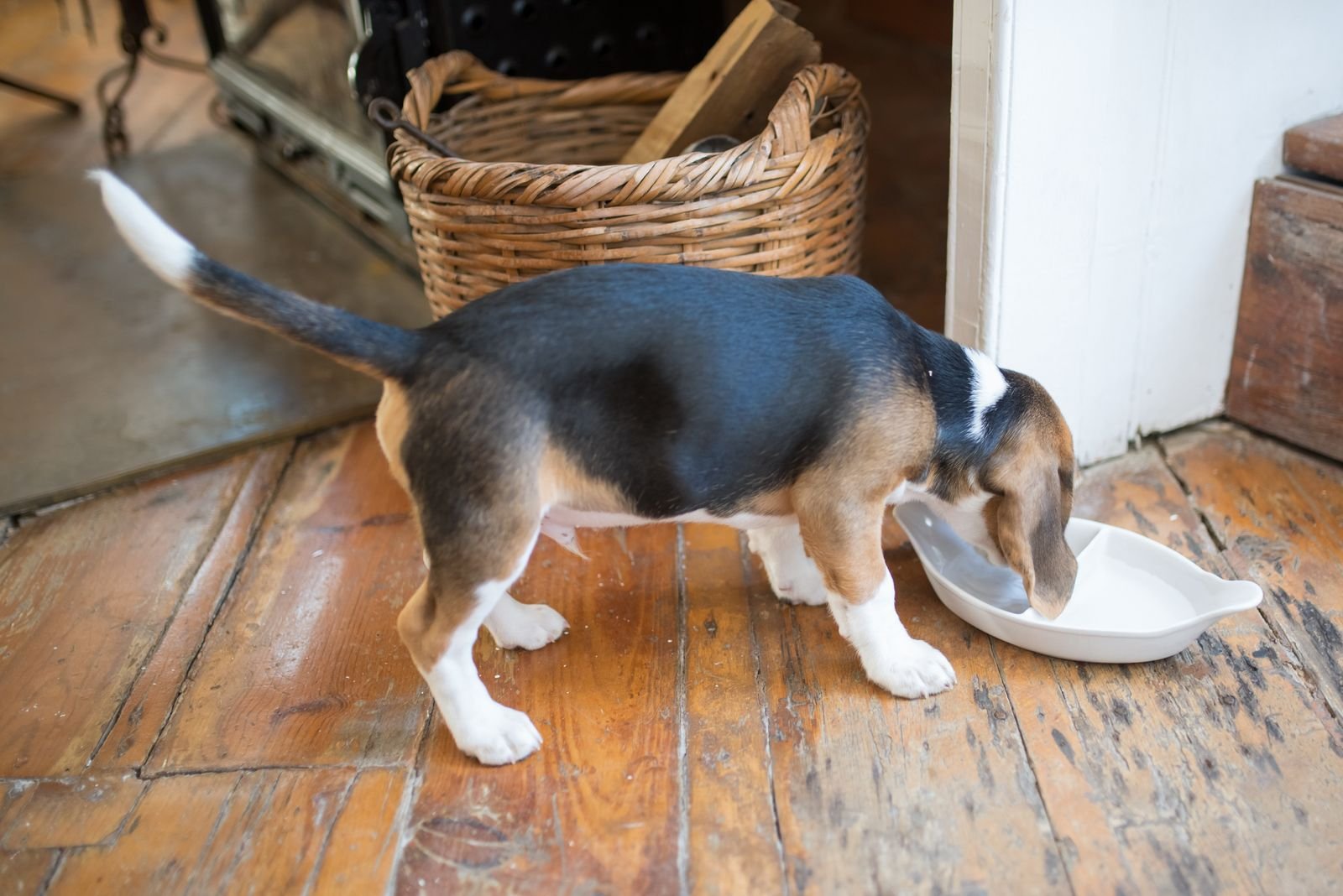
Feeding a new puppy can feel confusing. Puppies grow fast, their stomachs are small and their needs change every few weeks. Feeding the right amount at the right times supports healthy growth, steady energy and easier house training. This guide gives you a simple feeding schedule by age, explains how much to feed and shares practical tips to avoid common mistakes.
Why Puppies Need Frequent Meals
Puppies use a lot of energy to grow muscles, bones and organs. Their stomachs are small, so they cannot eat a full day’s food in one or two sittings. Small, regular meals keep their blood sugar steady, which is especially important for toy breeds that can develop low blood sugar if they go too long without food. Regular mealtimes also help you predict when your puppy will need a toilet break.
Puppy Feeding Schedule by Age
- 6–12 weeks: 4 meals a day. This is the usual age puppies go to new homes, and they still need frequent, small portions of puppy food.
- 3–6 months: 3 meals a day. As the stomach grows, you can move to breakfast, lunch and dinner.
- 6–12 months: 2 meals a day for most breeds, usually morning and evening.
- After 12 months: most dogs can switch to adult food and two meals a day. Large and giant breeds may stay on puppy food until 18–24 months.
A sample day for a 3-month-old puppy might be meals at 7 am, 12 pm and 5 pm, with the last meal a few hours before bedtime so they can go to the toilet before sleeping.
How Much Should a Puppy Eat?
The amount depends on your puppy’s age, breed, expected adult size and the calories in the food. The feeding guide on the food bag is a good starting point, but it is only a guide. Divide the daily amount into the number of meals for your puppy’s age, and weigh portions with a kitchen scale or measuring cup instead of guessing.
Check your puppy’s body shape every week or two. You should be able to feel the ribs easily under a thin layer of fat, and see a slight waist when looking from above. If your puppy looks too thin or too round, adjust portions slightly and ask your vet for advice.
Choosing the Right Puppy Food
Choose a complete and balanced food labelled for growth or “all life stages”. Puppy foods contain extra protein, calories, calcium and other nutrients that young dogs need. Large-breed puppies should eat a large-breed puppy formula, which controls calcium and calories to support healthy bone and joint development.
Tips for Healthy Puppy Feeding
- Feed at the same times every day to build a routine.
- Pick up any uneaten food after 15–20 minutes instead of leaving it out all day.
- Keep fresh water available at all times.
- Count treats as part of the daily food — they should stay under about 10% of calories.
- Use some of the daily kibble as training rewards.
- Change foods slowly over 7–10 days by mixing increasing amounts of the new food with the old.
- Avoid feeding from the table; many human foods are fatty or toxic to dogs.
When to Talk to Your Vet
Contact your vet if your puppy refuses food for more than a day, has repeated vomiting or diarrhoea, seems weak or lethargic, or is not gaining weight as expected. Toy-breed puppies that seem wobbly, shaky or very sleepy may have low blood sugar and need urgent care.
Final Thoughts
A good feeding routine is one of the best gifts you can give a new puppy. Start with four small meals a day, reduce the number of meals as your puppy grows, measure portions carefully and keep an eye on body shape. With a steady schedule and good-quality puppy food, your puppy will have the energy to learn, play and grow into a healthy adult dog.
Frequently Asked Questions
Can I free-feed my puppy?
It is usually better not to. Scheduled meals make house training easier, help you notice appetite changes and reduce the risk of overeating.
When should I switch my puppy to adult food?
Small and medium breeds usually switch at around 9–12 months. Large and giant breeds often stay on puppy food until 12–24 months. Ask your vet for the best timing.
Is it normal for my puppy to always seem hungry?
Many puppies act hungry all the time. As long as your puppy is growing well and has a healthy body shape, stick to measured meals rather than adding extra food.
Should puppies drink water at night?
Fresh water should be available during the day. Some owners lift the water bowl an hour or two before bedtime to help with night-time house training, but never restrict water for long periods.
Helpful Resources
- American Kennel Club – Nutrition – advice on feeding puppies and adult dogs
- AVMA – Resources for pet owners – veterinary guidance on puppy care