Exercise keeps dogs fit, prevents weight gain, and burns off the energy that often turns into chewing, barking, and other unwanted behavior. But there is no single number that fits every dog. A young Border Collie and an elderly Pug have very different needs. This guide explains how much exercise dogs generally need based on breed, age, and health, and how to tell whether your dog is getting enough.
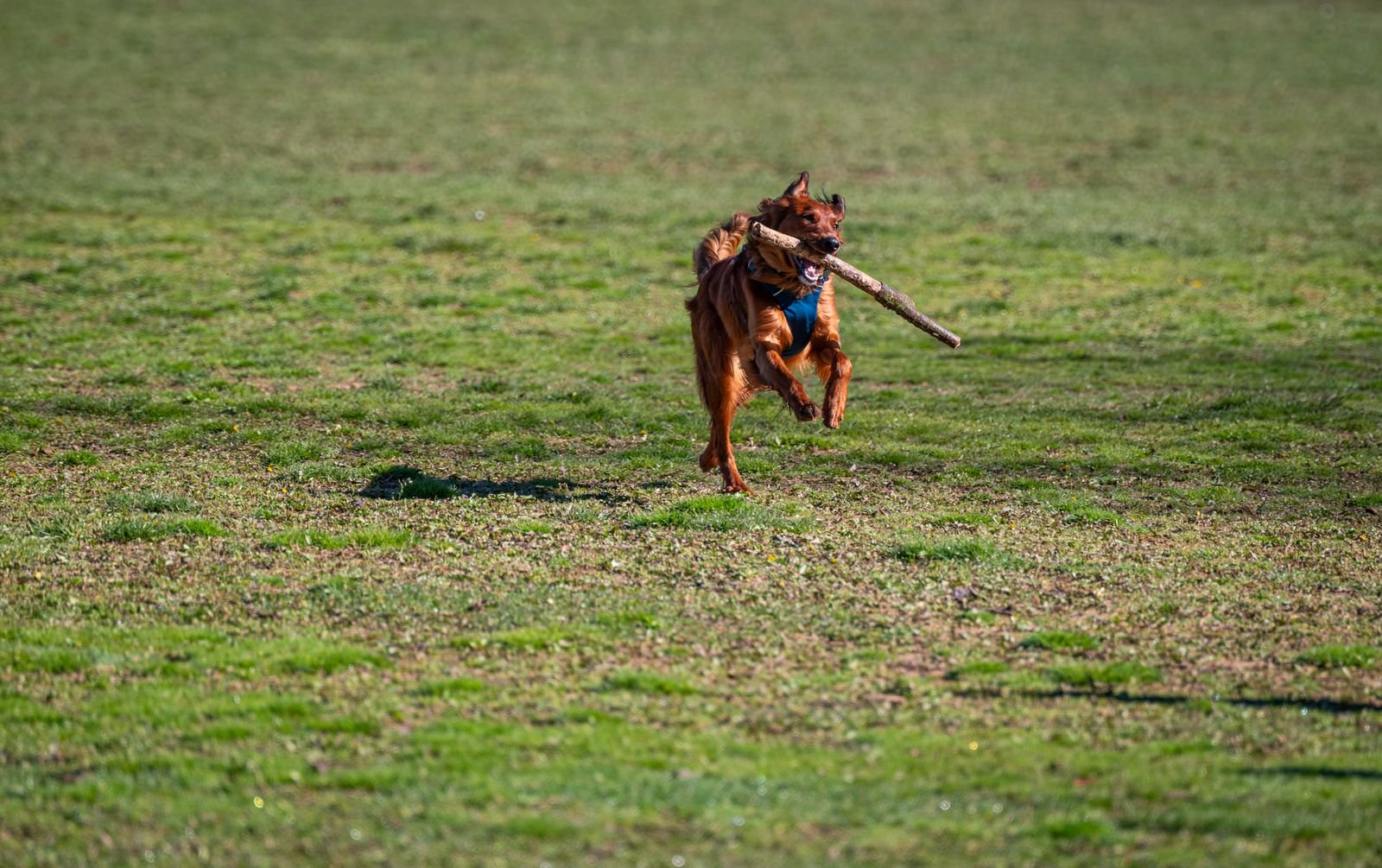
General Guidelines
Most healthy adult dogs need somewhere between 30 minutes and 2 hours of physical activity each day. This can be split into two or more sessions, such as a morning walk and an evening play session. Where your dog falls within that range depends mainly on its breed type, age, and overall health. Your veterinarian can help you set the right target for your own dog.
Exercise Needs by Breed Type
High-Energy Working and Herding Breeds
Breeds such as Border Collies, Australian Shepherds, Belgian Malinois, Siberian Huskies, and many retrievers and pointers were bred to work all day. They often need 1 to 2 hours of activity daily, including running, fetch, or dog sports, along with plenty of mental work.
Medium-Energy Breeds
Dogs such as Beagles, Cocker Spaniels, Boxers, and many mixed breeds usually do well with around 45 minutes to 1 hour of exercise a day, combining walks with play.
Lower-Energy and Toy Breeds
Breeds such as Shih Tzus, Cavalier King Charles Spaniels, Basset Hounds, and many toy breeds usually need around 30 minutes to 1 hour a day. They still need daily walks and play, even if they are small.
Flat-Faced Breeds
Pugs, French Bulldogs, English Bulldogs, and other brachycephalic dogs can struggle to breathe during intense exercise, especially in heat. Short, gentle walks at cool times of day are best. Watch closely for heavy breathing and stop to rest often.
Exercise for Puppies
Puppies have plenty of energy, but their bones and joints are still developing. Short bursts of free play are better than long, structured walks or runs. A commonly used rule of thumb is about five minutes of structured exercise per month of age, up to twice a day, so a four-month-old puppy would have around twenty-minute walks. This is a general guide rather than a strict rule. Avoid long runs, repeated jumping, and high-impact activities until your veterinarian confirms your puppy’s growth plates have closed, which can take over a year in large breeds.
Exercise for Senior Dogs
Older dogs still need daily activity to maintain muscle, keep joints moving, and stay mentally sharp. They may prefer several shorter, slower walks instead of one long outing. Gentle swimming can be excellent for dogs with stiff joints. Watch for signs of pain such as limping or reluctance to move, and talk to your vet about arthritis management if needed.
Do Not Forget Mental Exercise
Physical activity is only half the picture. Mental stimulation can tire a dog just as much as a long walk. Try:
- Puzzle feeders and treat-dispensing toys
- Sniffing games, such as hiding treats around the house
- Short training sessions to teach new tricks
- Letting your dog sniff freely on walks, sometimes called a “sniffari”
These activities are especially helpful on rainy days, in hot weather, and for dogs recovering from injury.
Signs Your Dog Needs More Exercise
- Destructive chewing or digging
- Excessive barking or whining
- Restlessness and difficulty settling
- Weight gain
- Pulling hard on the leash or excessive excitement on walks
- Rough or over-excited play
These behaviors can also have other causes, so look at the whole picture.
Signs of Overexercise
More is not always better. Watch for:
- Limping or stiffness after activity
- Extreme tiredness that lasts into the next day
- Sore or worn paw pads
- Heavy panting that does not settle with rest
- Reluctance to go for walks
If you notice these signs, reduce the intensity and duration of exercise and consult your veterinarian if they continue.
Tips for Exercising Your Dog Safely
- Warm up with a few minutes of easy walking before running or intense play.
- Build up fitness gradually, especially for dogs that have been inactive.
- Carry water on longer outings.
- Avoid the hottest times of day. See our guide on keeping your dog cool in hot weather.
- Check paw pads after walks on rough or hot ground.
- Get a veterinary checkup before starting a new, demanding activity such as running.
Final Thoughts
The right amount of exercise depends on your individual dog. Use breed and age as a starting point, then watch your dog’s behavior, body condition, and energy levels to fine-tune the routine. A well-exercised dog is usually calmer, healthier, and easier to train. For more on training, see our essential tips for effective dog training.
Related reading: How to Leash Train a Puppy · Signs of Separation Anxiety in Dogs · How to Keep Your Dog Cool in Hot Weather
Helpful Resources
- American Kennel Club – Expert advice – training, health and care articles for dog owners
- AVMA – Resources for pet owners – veterinary guidance on preventive care