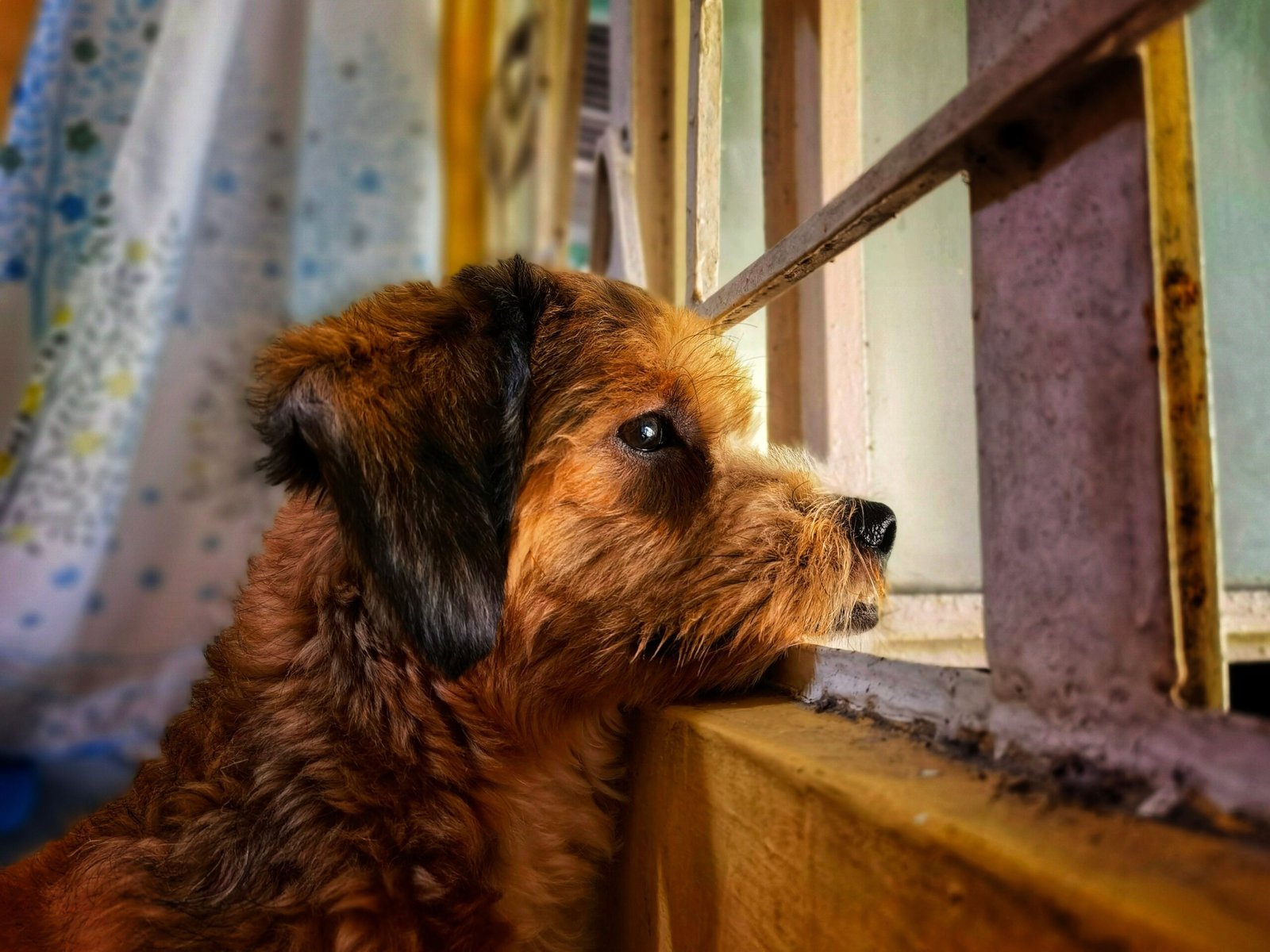
Many dogs feel some stress when their owner leaves the house, but for some, that stress becomes severe and disruptive. Separation anxiety is one of the most common behavioral issues in dogs, and recognizing it early can make a big difference in how effectively it’s managed. Here’s what to look for and how to help.
What Separation Anxiety Actually Is
Separation anxiety isn’t simply a dog being bored or mildly annoyed that you’ve left. It’s a genuine panic response triggered by being apart from a specific person or, in some cases, from the household entirely. Dogs with separation anxiety often struggle the moment they realize their owner is preparing to leave, not just after the door closes.
Common Signs to Watch For
Excessive vocalization is one of the clearest signs, with dogs barking, howling, or whining for extended periods after their owner leaves, often starting within minutes. Destructive behavior is another common pattern, particularly concentrated around doors, windows, or exit points, as the dog attempts to escape or reach their owner. House soiling, even in dogs who are otherwise fully house-trained, frequently occurs specifically when left alone, which helps distinguish it from an unrelated potty-training issue.
Pacing or restlessness often shows up in a repetitive pattern, such as walking the same path back and forth near a door or window. Excessive drooling or panting, not caused by heat or exercise, is also common and can sometimes be observed through pet cameras. Attempts to escape, including scratching at doors, chewing through crates, or in severe cases, dogs harming themselves in attempts to get free, are among the more serious signs that need prompt attention.
The Pre-Departure Pattern
Many dogs with separation anxiety can predict when their owner is about to leave, based on cues like picking up keys, putting on shoes, or grabbing a bag. This often triggers visible stress before the owner has even left, including pacing, whining, or following the owner closely from room to room. Some owners notice their dog becomes clingy throughout the day as soon as these departure routines begin.
What It’s Not
It’s worth distinguishing separation anxiety from simple boredom or lack of exercise, which can also lead to chewing or restlessness but usually isn’t tied specifically to the owner’s absence. Incomplete house training is another behavior that can look similar but typically shows up regardless of whether the dog is alone. A dog that’s mildly unsettled for a few minutes after their owner leaves, then settles down and naps, is showing normal adjustment rather than true separation anxiety.
Why It Happens
Separation anxiety can develop for several reasons. A sudden change in routine, such as a move, a new work schedule, or a household member leaving, can trigger it, as can a traumatic event like a stay at a shelter or boarding facility. Dogs adopted from shelters are statistically more likely to develop separation anxiety, likely connected to earlier experiences of abandonment. Insufficient exposure to being alone during puppyhood can also make it harder for a dog to tolerate solitude as an adult.
What You Can Do to Help
Practice gradual departures, starting with very short absences, just a few minutes, and slowly increasing the time apart as your dog shows they can stay calm. Avoid dramatic hellos and goodbyes, keeping arrivals and departures low-key so your dog doesn’t associate them with heightened emotion. Create positive associations with alone time, such as offering a puzzle toy or a long-lasting chew only when you leave, so your dog connects your departure with something rewarding rather than something distressing.
Establish a safe, comfortable space, whether that’s a crate your dog already loves or a specific room with their bed and familiar scents, which can help some dogs feel more secure. Exercise your dog before you leave, since physical activity beforehand can reduce overall anxiety and make it easier for your dog to settle down and rest while you’re away.
When to Seek Professional Help
Mild cases often improve with consistent practice at home, but more severe separation anxiety, especially cases involving self-injury, significant property damage, or extreme vocal distress, usually benefits from professional support. A veterinarian can rule out underlying medical issues and discuss whether anti-anxiety medication might help during the training process. A certified dog behaviorist can also design a structured desensitization plan tailored to your dog’s specific triggers and severity level.
A Note on Punishment
Punishing a dog for anxiety-driven behavior, such as chewing, barking, or accidents, almost always makes the problem worse. These behaviors aren’t a result of spite or poor training; they’re a panic response, and punishment can increase the fear and anxiety tied to being left alone. Patience and a structured plan are far more effective than correction after the fact.
Final Thoughts
Separation anxiety can be frustrating for both dogs and their owners, but it’s a well-understood condition with effective management strategies. Recognizing the signs early, understanding what triggers the anxiety, and responding with patience rather than frustration all make a meaningful difference. For dogs with more severe symptoms, professional guidance can speed up progress and make the process easier on everyone involved.
Related reading: How Often Should You Bathe a Dog · Why Is My Dog Not Eating? Common Causes