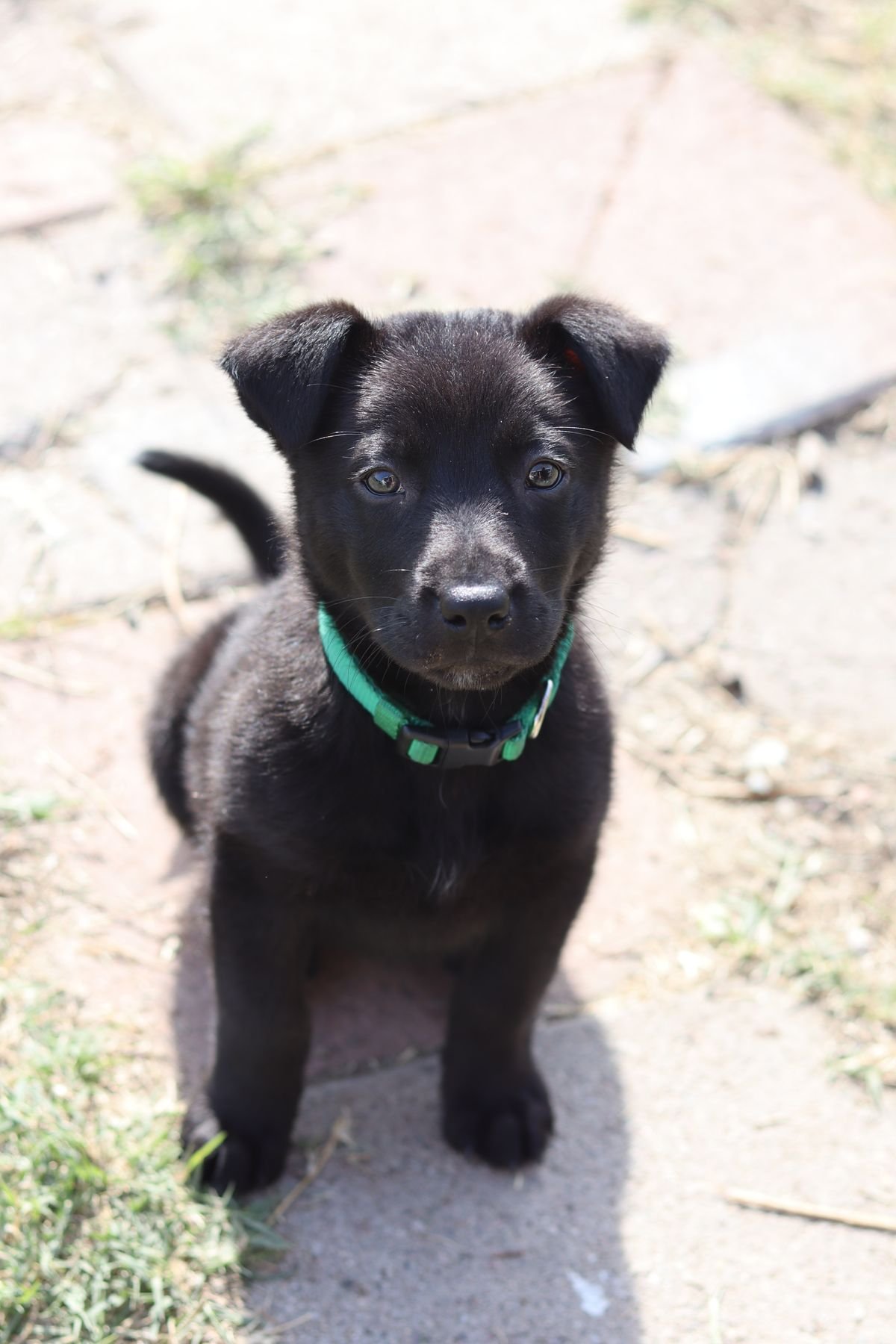
Sit is the first command most puppies learn, and it is the foundation for almost every other skill. It is easy to teach, takes only a few minutes a day, and gives you a simple way to calm your puppy and keep them safe. Here is a step-by-step method that works, along with the mistakes to avoid and answers to common questions.
Why Teaching Sit Matters
Sit is more than a cute trick. It teaches your puppy to pause and focus on you, which makes it useful at doors, on walks, at the vet, and when greeting visitors. A puppy that sits politely is less likely to jump on people. Because sit is a position puppies naturally offer, it is also an ideal first lesson that builds confidence and teaches them how training works.
What You Need Before You Start
Gather small, soft treats that your puppy can eat in one bite, and choose a quiet room with few distractions. Train before meals, when your puppy is a little hungry and motivated. Keep sessions short, about five minutes at a time, and aim for two or three sessions a day. Young puppies tire quickly, so end while they are still having fun.
Step 1: Lure the Sit
Hold a treat close to your puppy’s nose and let them sniff it. Slowly move the treat up and slightly back over their head. As their nose follows, their bottom naturally lowers to the floor. The moment it touches the ground, say yes or use a clicker and give the treat. Do not push your puppy’s rear end down, because the goal is for them to choose the position.
Step 2: Add the Word
After your puppy sits reliably with the lure, say the word sit just before you move your hand. Say it once, in a calm and clear voice. Repeating the cue again and again teaches your puppy to ignore it. After a few days, the word starts to predict the action, and you can begin to fade the food lure.
Step 3: Fade the Treat and Use a Hand Signal
Use an empty hand with the same motion, and reward from your other hand or a pocket after your puppy sits. Then shrink the hand movement until it becomes a small signal. Start rewarding only some of the sits, with praise and play in between, so the behavior stays strong without constant treats.
Step 4: Practice in New Places
Dogs do not generalize well, so a puppy who sits in the kitchen may not understand the cue in the yard. Practice in different rooms, outside, and later near mild distractions. Make it easier again when you change the environment, using treats more often at first. Add duration by waiting a second or two before rewarding, then slowly build up.
Common Mistakes to Avoid
The most common mistake is repeating the cue over and over. Another is training for too long, which leads to frustration. Avoid punishing your puppy for not sitting, since this makes training stressful. Be consistent: every family member should use the same word and reward the same behavior. If your puppy keeps standing up before you reward, deliver the treat faster, within one or two seconds of the sit, and keep the sessions short.
How Long Does It Take?
Most puppies understand the lure within a few sessions and respond to the word within a week or two. Reliable sits around distractions can take several weeks. Every puppy is different, so focus on small improvements and celebrate progress rather than comparing your dog with others.
Frequently Asked Questions
What age can I start teaching sit? You can begin as early as eight weeks old with very short, gentle sessions.
Should I use a clicker? A clicker can help mark the exact moment of the correct behavior, but a cheerful word such as yes works well too.
My puppy will not sit unless I have a treat. What now? Reward at random, use praise, play, or a walk as rewards, and keep a few treats hidden so your puppy cannot predict when they will appear.
Final Thoughts
Teaching your puppy to sit takes patience, short sessions, and plenty of positive reinforcement. Once sit is solid, you can build on it with stay, down, and come. Keep training fun, celebrate each small step, and you will build a lifelong bond with your dog.
Related reading: New Puppy Checklist: Your First Week at Home · How to Crate Train a Puppy: A Step-by-Step Guide