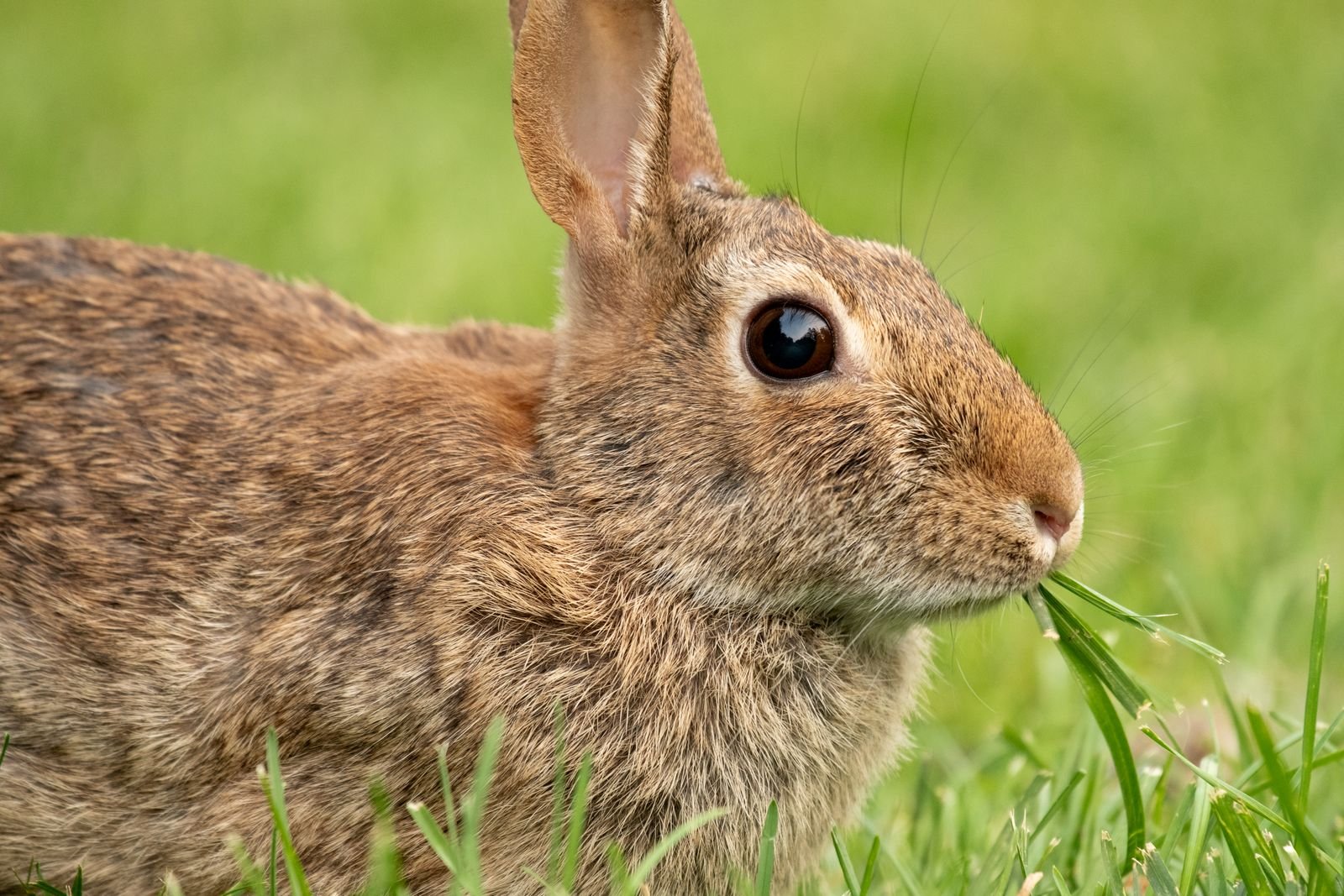
Rabbits look like they should eat carrots all day, but that is one of the most common myths in pet care. A healthy rabbit diet is mostly hay, plus fresh leafy greens, a small portion of pellets, and only occasional treats. Because rabbits have sensitive digestive systems, the wrong food can cause serious problems quickly, so it is worth knowing exactly what belongs in the bowl.
The Foundation: Hay Should Be 80 to 90 Percent of the Diet
Unlimited grass hay is the most important part of a rabbit’s diet. Hay supplies the fiber that keeps the gut moving, and the constant chewing wears down teeth that never stop growing. For adult rabbits, timothy, orchard grass and meadow hay are good choices. Alfalfa hay is richer in protein and calcium, so it is usually reserved for young, growing rabbits.
Fresh hay should always be available, and it should make up most of what your rabbit eats every day. If your rabbit ignores hay, try a different type, place it beside the litter box, or reduce the pellets slightly so there is more appetite for hay.
Fresh Greens: A Daily Salad
Leafy greens add moisture, vitamins and variety. A common guideline is about one packed cup of greens for every 2 pounds (1 kg) of body weight each day, split into more than one serving. Rotate three or more types so the diet stays balanced. Safe, popular choices include:
- Romaine lettuce and green or red leaf lettuce
- Cilantro, parsley, basil and mint
- Dandelion greens and bok choy
- Arugula and radicchio in small amounts
- Carrot tops, which many rabbits love
Introduce each new green slowly, one at a time and in a small amount, and watch the droppings for a day or two. Soft or unusually small droppings are a sign to pause and go back to hay.
Pellets: A Measured Portion, Not a Full Bowl
Good-quality pellets are a supplement, not the main meal. Look for plain, high-fiber timothy-based pellets without seeds, nuts, colored pieces or sugary mixes. For an adult rabbit, roughly one quarter cup per 5 pounds (2.3 kg) of body weight per day is a common starting point. Your veterinarian can adjust this for your rabbit’s age and weight.
Treats: Small and Occasional
Fruit and root vegetables are high in sugar, so they are treats. Apple without seeds, strawberries, blueberries, banana and carrot are all fine, but keep the portion to about a tablespoon or two a day for an average-size rabbit, and fewer on days when you serve several. Too much sugar can upset the gut and lead to weight gain.
Foods Rabbits Should Never Eat
Some foods are dangerous or simply unsuitable for a rabbit’s digestive system. Avoid these:
- Chocolate and anything with caffeine
- Avocado, which can be toxic to rabbits
- Onions, garlic, leeks and chives
- Rhubarb leaves and raw potato
- Bread, crackers, cereal, pasta and other starchy human foods
- Seeds, nuts and corn, which are hard to digest
- Meat, dairy and eggs, because rabbits are strict plant eaters
- Iceberg lettuce, which has little nutrition and is best avoided
Many common houseplants are also toxic to rabbits, so keep plants out of reach during playtime.
Water and Feeding Routine
Fresh water must always be available. Many rabbits prefer a heavy ceramic bowl over a bottle because it is easier to drink from and encourages them to drink more. Change the water daily and wash the bowl often.
A simple routine works well: unlimited hay all day, a measured portion of pellets in the morning, a fresh salad in the evening, and treats only now and then. Rabbits do best with consistency.
Warning Signs: When to Call a Vet Quickly
A rabbit that stops eating or stops producing droppings for about 12 hours needs urgent veterinary attention. This can be a sign of gastrointestinal stasis, which can become life-threatening fast. Other warning signs include a bloated belly, tooth grinding from pain, lethargy, and droppings that are very small, very soft or missing.
Putting It All Together
Feed hay first, greens daily, pellets by the measuring cup, and treats sparingly. If you are just getting started with a rabbit, our guide to rabbit care in an apartment covers housing and daily routines, and our list of the best low-maintenance pets for apartments compares rabbits with other small pets. Always check with an exotic-pet veterinarian before making big changes to your rabbit’s diet.
Related reading: Rabbit Care in an Apartment and Guinea Pig Care for Beginners.