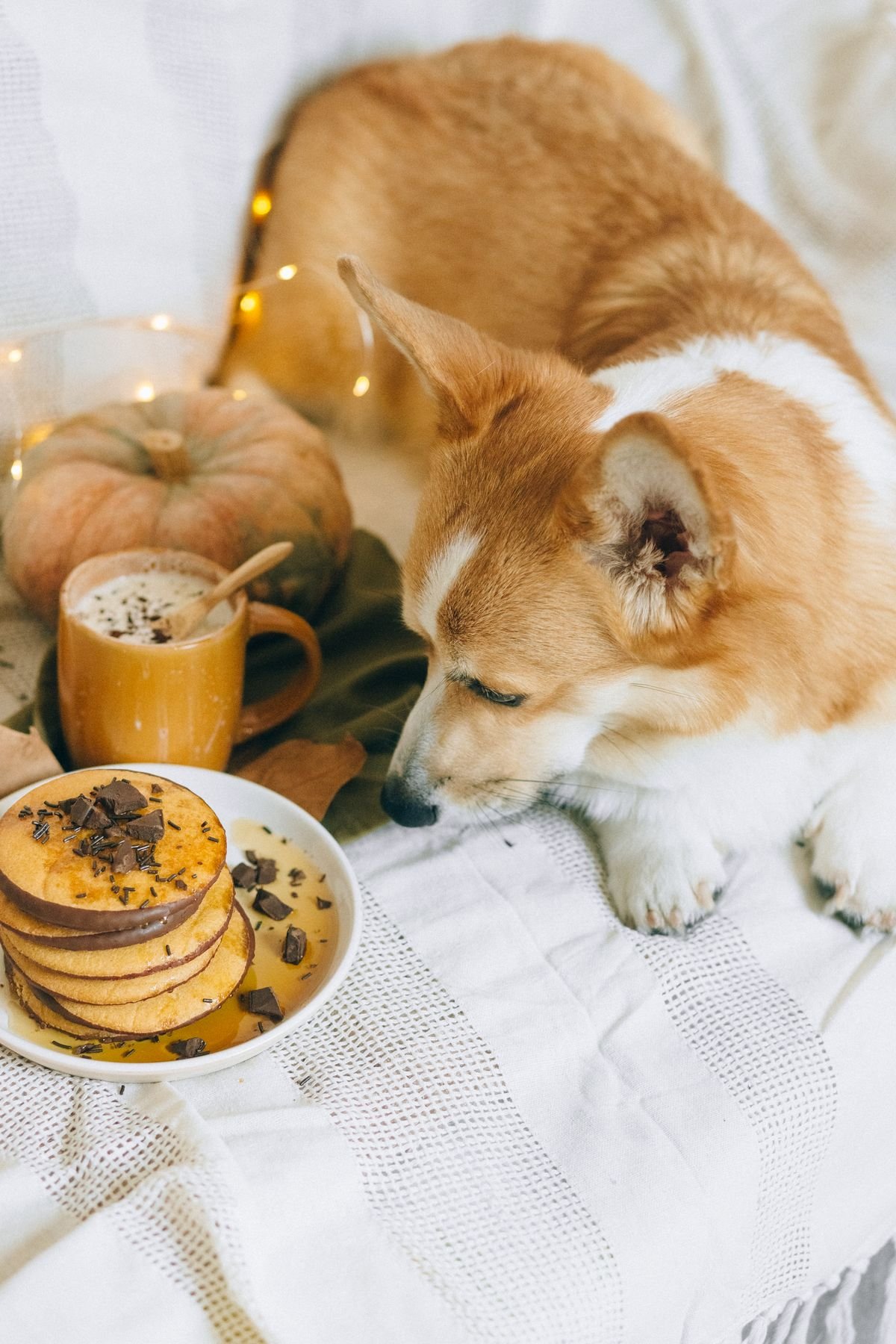
Dogs love to beg, and it is tempting to share a bite from your plate. But many everyday foods are toxic to dogs and can cause serious illness or even death. This guide explains which foods to avoid, why they are dangerous, the symptoms to watch for, and what to do if your dog eats something harmful.
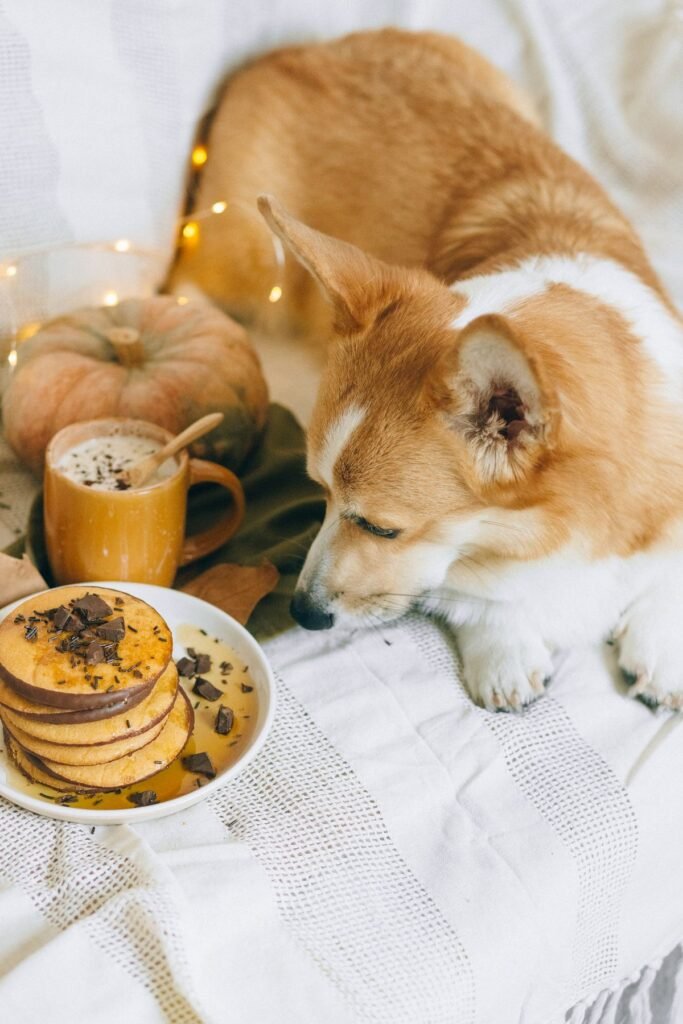
Why Some Human Foods Are Toxic to Dogs
Dogs digest food differently than people do. Compounds that we break down easily can build up in a dog’s body and damage the kidneys, liver, heart, or blood cells. Small dogs are at the highest risk because a tiny amount can be a large dose for their body weight. The same food may also affect two dogs differently, depending on size, age, and health.
The Most Dangerous Foods
Chocolate contains theobromine, which dogs cannot process well. Dark chocolate and baking chocolate are the most dangerous and can cause vomiting, tremors, seizures, and heart problems. Grapes and raisins can lead to sudden kidney failure, and even a few can be a problem for some dogs. Xylitol, a sweetener found in sugar-free gum, candy, baked goods, and some peanut butters, can cause a dangerous drop in blood sugar and liver failure.
Onions, garlic, chives, and leeks damage red blood cells and can cause anemia, whether raw, cooked, or powdered. Macadamia nuts can cause weakness, vomiting, and tremors. Alcohol and raw yeast dough are also dangerous, since dough expands in the stomach and produces alcohol as it ferments.
Other Foods to Avoid
Cooked bones can splinter and injure the mouth, throat, or intestines. Fatty foods such as bacon, fried food, and trimmed meat fat can trigger pancreatitis, a painful inflammation of the pancreas. Salty snacks can cause sodium poisoning in large quantities. Caffeine from coffee, tea, and energy drinks is dangerous in the same way as chocolate. Corn on the cob is a common cause of intestinal blockages, and avocado pits are a choking and obstruction risk.
Signs Your Dog May Have Eaten Something Toxic
Look for vomiting, diarrhea, drooling, loss of appetite, restlessness, tremors, weakness, increased thirst, or a swollen belly. Some toxins act quickly, while others take a day or more to show symptoms. For this reason, never wait for signs to appear if you know your dog ate something risky.
What to Do in an Emergency
Remove any remaining food, then call your veterinarian, an emergency clinic, or a pet poison hotline right away. Be ready to share what your dog ate, how much, when, and your dog’s weight. Do not make your dog vomit unless a professional tells you to, because it can cause harm with some substances. Bring the packaging with you if you go to the clinic.
Safe Foods You Can Share
Many dogs enjoy plain cooked chicken, carrots, green beans, blueberries, or small pieces of apple without seeds. Plain cooked pumpkin and plain rice can help with an upset stomach. Introduce any new food slowly and in small portions, and keep treats to about ten percent of daily calories. When in doubt, ask your veterinarian first.
How to Prevent Accidents
Keep food out of reach on counters and tables, use trash cans with secure lids, and store medications and sweets in closed cupboards. Teach commands such as leave it and drop it, and ask guests not to feed your dog. Remind children that table scraps can be unsafe.
Frequently Asked Questions
How much chocolate is dangerous for a dog? It depends on the type of chocolate and your dog’s size. Because even small amounts can be harmful, call your vet and do not wait.
Can dogs eat peanut butter? Usually yes, but only if it does not contain xylitol. Always check the label.
Is it safe to give my dog table scraps? It is best to avoid them. Many scraps are too fatty or seasoned, and the habit encourages begging.
Final Thoughts
Protecting your dog from toxic foods is mostly about awareness and good habits. Feed a balanced dog food, keep human snacks out of reach, and know who to call in an emergency. With a little care, you can keep your best friend safe, healthy, and happy.
Related reading: How to Crate Train a Puppy: A Step-by-Step Guide · How to Teach Your Puppy to Sit