If you have ever watched your dog happily munching on the lawn, you are not alone. Grass eating is one of the most common behaviors seen in dogs, and most owners have wondered whether it means something is wrong. In most cases it is normal and harmless. However, there are a few situations where it deserves a closer look. Here is what we know about why dogs eat grass and when you should talk to your vet.
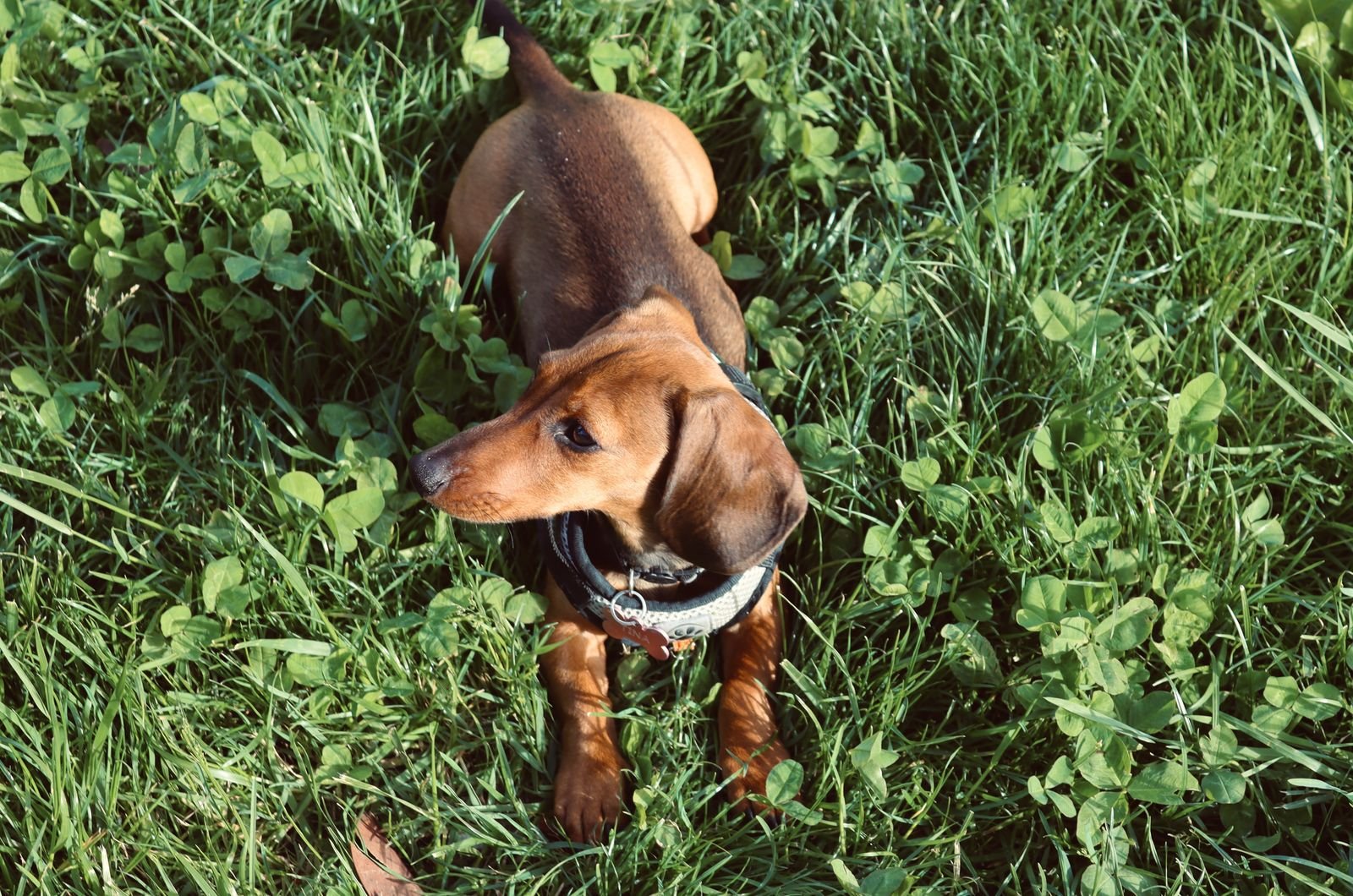
Is It Normal for Dogs to Eat Grass?
Yes. Surveys of dog owners suggest that most dogs eat grass or other plants at least occasionally. Eating plants is so common that many veterinarians consider it a normal behavior for dogs. Wild relatives of dogs, such as wolves, have also been found to eat plant material. In most cases, dogs that eat grass seem healthy before and after, and only a minority vomit afterward.
Common Reasons Dogs Eat Grass
They Like It
The simplest explanation is often the right one. Many dogs seem to enjoy the taste and texture of fresh grass, especially new spring growth. Some dogs pick out particular types of grass and ignore others.
Boredom
Dogs that do not get enough exercise or mental stimulation may look for things to do, and chewing grass can become a way to pass the time. This is more common in young, energetic dogs and dogs left alone in the yard for long periods.
Natural Instinct
Some experts believe grass eating is an inherited behavior from wild ancestors, who ate the stomach contents of prey animals as well as plants. Another theory suggests that eating plant material may have helped wild canines move intestinal parasites through the gut. These ideas are still being studied.
Upset Stomach
Many owners believe dogs eat grass to make themselves vomit when they feel sick. Some dogs do vomit after eating grass, but research suggests most dogs do not seem unwell beforehand, and most do not vomit afterward. So while an upset stomach may be one reason for some dogs, it does not explain most grass eating.
Dietary Fiber
Some veterinarians suggest that dogs may eat grass because they want more fiber in their diet. There are reports of dogs that stopped eating grass after switching to a higher-fiber food, but there is not yet strong evidence that this is a common cause.
Anxiety or Attention Seeking
In some dogs, chewing grass can become a self-soothing habit when they feel stressed. Other dogs learn that eating grass gets an immediate reaction from their owner, which turns it into a way to get attention.
When Is Grass Eating a Problem?
Grass itself is not usually harmful, but there are real risks to be aware of:
- Chemicals. Lawns and parks may be treated with pesticides, herbicides, or fertilizers that can be toxic to dogs.
- Toxic plants. Dogs that graze may also eat harmful plants growing among the grass. Ask your vet about common toxic plants in your area.
- Parasites. Grass contaminated by the feces of other animals can carry intestinal worms.
- Foreign objects. Long, tough grasses and grass seeds can cause choking, gagging, or become stuck in the throat, nose, ears, or paws.
When to Call Your Veterinarian
Talk to your vet if your dog:
- Suddenly starts eating large amounts of grass when it never did before
- Vomits frequently, or vomits after almost every time it eats grass
- Shows signs of illness such as lethargy, diarrhea, blood in vomit or stool, or loss of appetite
- Eats grass desperately or seems unable to stop
- Is also eating other non-food items such as soil, rocks, or fabric, a behavior known as pica
- Has eaten grass that may have been treated with chemicals
These signs can point to digestive problems, nutritional imbalances, or other health issues that need proper diagnosis.
How to Reduce Grass Eating
If your dog’s grass eating is harmless but you would prefer to limit it, try these tips:
- Increase exercise. Longer walks, play sessions, and games of fetch use up energy that might go into chewing.
- Offer mental stimulation. Puzzle toys, sniffing games, and short training sessions keep your dog’s brain busy.
- Teach “leave it.” Reward your dog for turning away from grass and focusing on you instead.
- Provide safe chew options. Appropriate chew toys give your dog something better to chew.
- Supervise in the yard. Spend time outside with your dog rather than leaving them alone for long periods.
- Check the diet. Make sure your dog is eating a complete, balanced diet. Ask your vet before making changes.
Is It Safe to Grow Grass for Dogs?
Some owners grow a small tray of untreated wheatgrass or oat grass at home so their dog can graze safely. This avoids exposure to lawn chemicals and is an easy option for dogs that clearly enjoy grass. Introduce it in small amounts and stop if your dog vomits or develops loose stools.
Final Thoughts
For most dogs, eating grass is a normal and harmless behavior. Keep your dog away from treated lawns, make sure they get plenty of exercise and enrichment, and watch for changes in their habits. If grass eating comes with vomiting, diarrhea, or other signs of illness, it is time to see your veterinarian.
Related reading: Why Is My Dog Not Eating? Common Causes · Foods Dogs Should Never Eat · Essential Tips for Effective Dog Training
Helpful Resources
- American Kennel Club – Expert advice – training, health and care articles for dog owners
- AVMA – Resources for pet owners – veterinary guidance on preventive care