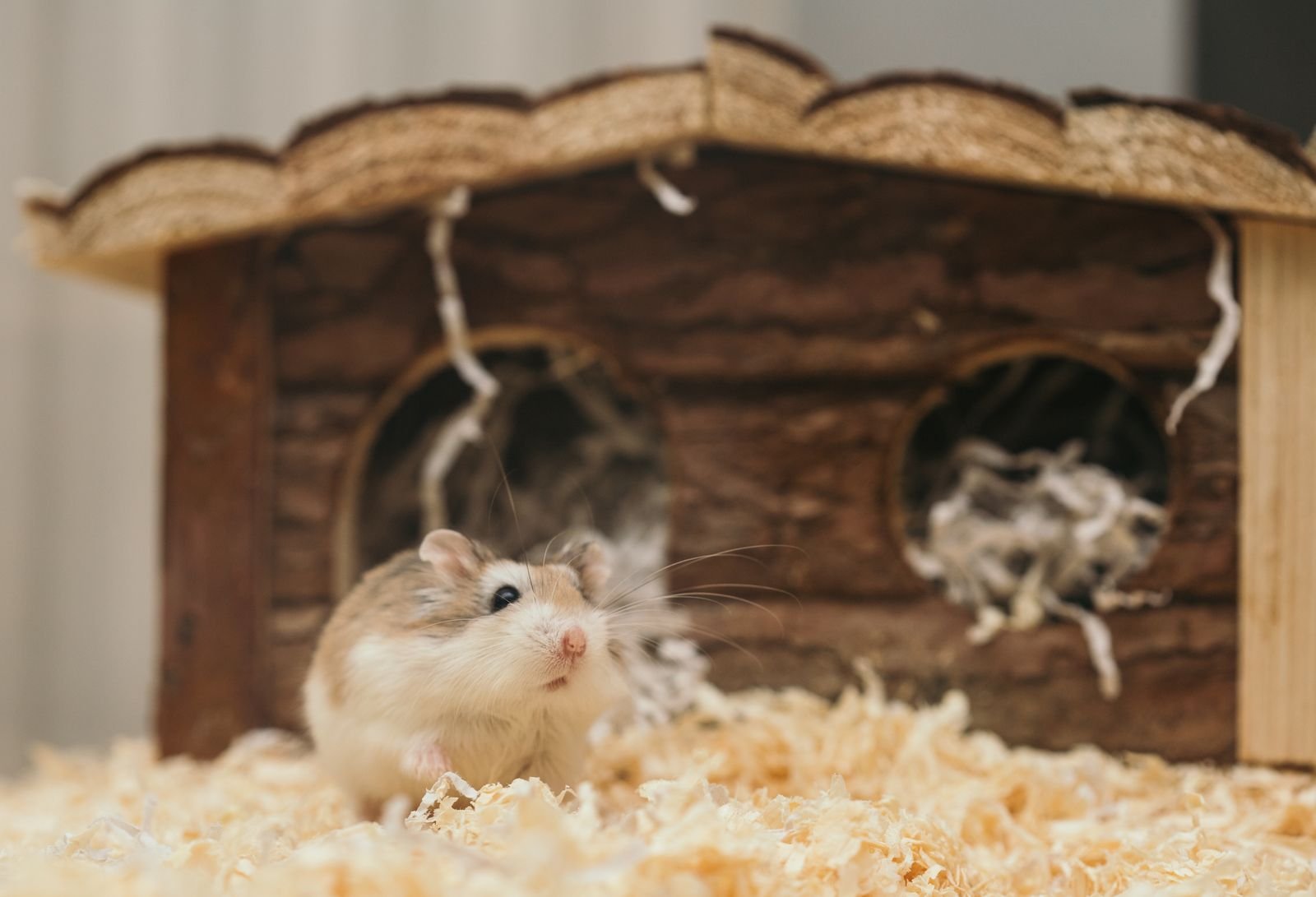
Bedding is one of the most important parts of a small pet’s home. It soaks up urine, controls smells, keeps your pet warm and, for hamsters, gives them a place to dig and burrow. But not all bedding is safe. Some materials release harmful oils, create dust that irritates the lungs or can cause blockages if eaten. This guide compares the most common options and explains how to choose the right bedding for hamsters and guinea pigs.
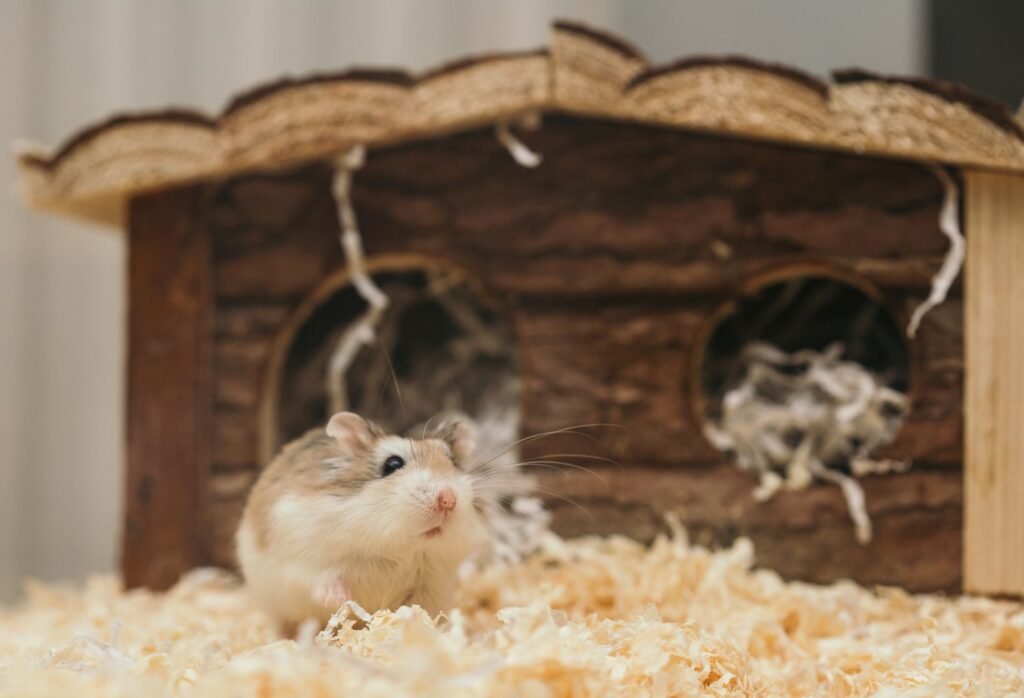
What Makes Good Bedding?
- Absorbent enough to soak up urine and keep the cage dry.
- Low in dust to protect sensitive airways.
- Unscented, because perfumes can irritate small noses and lungs.
- Soft and comfortable for feet and sleeping.
- Safe if nibbled, with no loose fibres that can wrap around legs or block the gut.
- Good for burrowing (especially important for hamsters).
Safe Bedding Options
Paper-based bedding
Unscented paper bedding is one of the most popular choices for both hamsters and guinea pigs. It is soft, very absorbent, low in dust and holds tunnels well when packed deeply. Look for plain, dust-extracted products without added scents or dyes.
Aspen shavings
Aspen is a hardwood that does not contain the strong aromatic oils found in pine and cedar. Kiln-dried, dust-extracted aspen shavings are a safe and natural option. Many owners mix aspen with paper bedding to create a burrow-friendly base.
Fleece liners (great for guinea pigs)
Washable fleece liners with an absorbent layer underneath are popular for guinea pigs. They are soft, reusable and cost-effective over time. Fleece needs to be spot-cleaned daily and washed every few days. It is not ideal for hamsters, because they cannot dig or burrow in it.
Hemp and other plant fibres
Hemp bedding is absorbent and good at controlling odour. Choose a dust-extracted product and introduce it slowly to see how your pet reacts.
Bedding to Avoid
- Cedar and untreated pine shavings: release aromatic oils that may irritate the respiratory system.
- Scented bedding: perfumes can cause breathing problems and mask the smell of a dirty cage.
- Cotton wool or “fluffy” nesting fibres: can wrap around legs and cause injuries, or block the gut if eaten.
- Corn cob bedding: can grow mould when wet and may cause blockages if swallowed.
- Cat litter (clay or clumping): dusty and dangerous if eaten.
- Newspaper with heavy ink: not very absorbent and can stain; plain paper products are better.
How Much Bedding Do They Need?
Hamsters
Hamsters are natural burrowers. Most experts recommend a deep layer of bedding — at least 15–20 cm (6–8 inches), and deeper in part of the enclosure if possible. Deep bedding lets them dig tunnels, build nests and feel secure, which reduces stress behaviours like bar chewing.
Guinea pigs
Guinea pigs do not burrow, so a layer of about 5–8 cm (2–3 inches) of paper or aspen bedding is usually enough, or a fleece liner system. Add a thick pile of hay in one area, because guinea pigs love to eat and nest in it.
Cleaning Tips
- Spot-clean wet or soiled areas every day.
- For hamsters, avoid changing all the bedding at once; keep some clean old bedding so the nest still smells familiar.
- For guinea pigs, do a full bedding change once or twice a week depending on cage size and how many pigs you have.
- Store bedding in a dry place to stop mould and mites.
Final Thoughts
The best bedding is soft, absorbent, unscented and low in dust. Paper bedding and aspen shavings work well for most hamsters and guinea pigs, while fleece liners are a good reusable option for guinea pigs. Avoid cedar, scented products, fluffy cotton and cat litter. With the right bedding and a regular cleaning routine, your small pet will stay comfortable, healthy and happy.
Frequently Asked Questions
Can I mix different types of bedding?
Yes. Many owners mix paper bedding with aspen shavings or hay to improve burrowing and comfort. Just make sure every material is safe on its own.
Is hay good bedding?
Hay is great for nesting and eating, especially for guinea pigs, but it is not very absorbent. Use it on top of a more absorbent base layer.
How do I know if my pet is reacting to the bedding?
Sneezing, wheezing, watery eyes or itchy skin can be signs of irritation. Switch to a dust-free, unscented product and see a vet if symptoms continue.
Is fleece safe for hamsters?
Fleece is safe to touch but not suitable as the main bedding for hamsters, because they need deep, loose bedding to dig and burrow.
Helpful Resources
- RSPCA – Hamster care – welfare advice on hamster housing and bedding
- RSPCA – Guinea pig care – guidance on guinea pig housing