Your veterinarian is one of the most important partners in your pet’s life. A good vet catches problems early, guides you through every life stage, and is there in emergencies. Choosing the right one takes a little research, but the effort pays off for years. This guide explains what to look for, which questions to ask, and how to tell whether a clinic is the right fit.
Start With Your Own Needs
Think about what matters most to you. Do you have a dog, a cat, or an exotic pet such as a rabbit or guinea pig? Some clinics treat all species, while others specialize. If you have a rabbit or small mammal, look for a vet with exotic animal experience. Consider your budget, your schedule, and how far you are willing to travel, especially for emergencies.
Ask for Recommendations and Read Reviews
Friends, neighbors, breeders, and local pet groups are a great source of honest opinions. Online reviews can also help, but read them carefully and look for patterns rather than single complaints. Check whether the clinic responds politely to feedback. Word of mouth from owners with pets similar to yours is often the most useful guide.
Check Credentials and Accreditation
Confirm that the vet is licensed in your area. In the United States, you can look for clinics accredited by the American Animal Hospital Association, which holds hospitals to high standards of care. Ask whether the vets continue their education and whether they have special interests, such as dentistry, behavior, or senior pet care.
Visit the Clinic
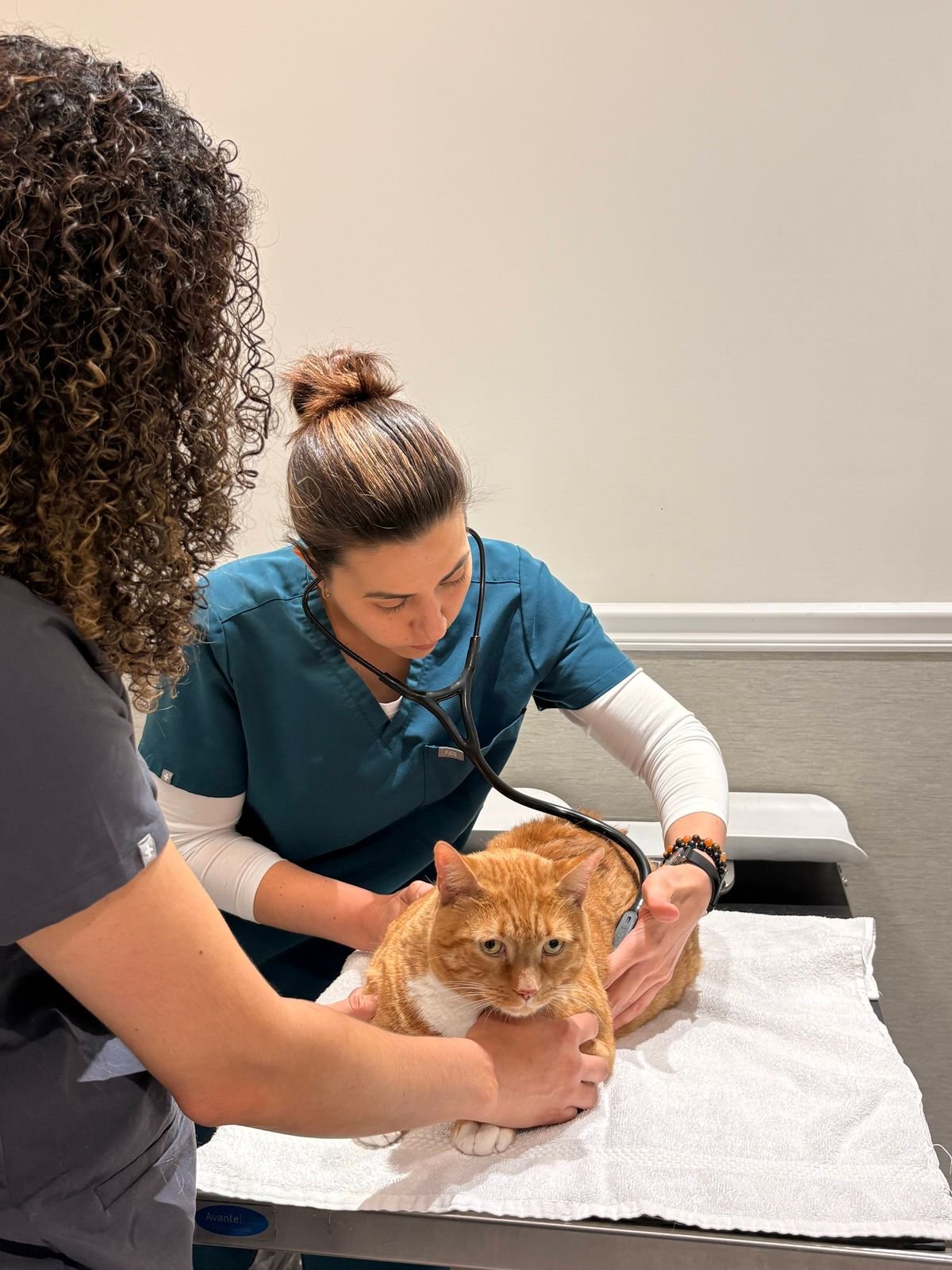
Before you commit, stop by for a short visit. A good clinic is clean, organized, and calm, with staff who greet you and your pet warmly. Notice how animals are handled and whether the team seems patient and kind. Ask for a tour of the exam rooms and treatment areas if possible.
Questions to Ask the Clinic
Ask about office hours, emergency care, and what happens after hours. Find out how appointments work, how long they usually last, and whether the clinic offers in-house lab tests, x-rays, and surgery. Ask whether the same vet will usually see your pet. Finally, ask about payment options, pet insurance, and whether they provide estimates before treatment.
Understand the Costs
Prices vary widely by location and clinic, so do not choose on price alone. Ask for a clear estimate for routine services such as exams, vaccines, and spay or neuter procedures. A clinic that explains costs openly and gives you options is a good sign. Consider pet insurance or a savings fund for unexpected bills.
Signs of a Great Veterinarian
A good vet listens, explains things in plain language, and respects your questions. They treat your pet gently, offer treatment options, and never pressure you into unnecessary procedures. They are honest when they do not know something and will refer you to a specialist when needed. You should feel comfortable and confident after each visit.
Red Flags to Watch For
Be cautious if the clinic is dirty, the staff seem rushed or dismissive, or the vet does not explain diagnoses and costs. Avoid clinics that refuse to share medical records, push expensive tests without explanation, or make you feel judged for asking questions.
Frequently Asked Questions
When should a new pet first see a vet? Within the first week or so of coming home, so the vet can check health and plan vaccinations.
How often should my pet have checkups? Most healthy adult pets need a yearly exam, and puppies, kittens, and seniors may need visits more often.
Is it okay to switch vets? Yes. You can change clinics anytime and ask for your pet’s records to be transferred.
Preparing for Your First Visit
A little preparation makes the first appointment more useful. Bring your pet’s previous medical records, a list of current foods, supplements and medications, and a short list of questions. If your pet is nervous, ask about a quiet waiting area or a visit at a calmer time of day.
Use the first visit to judge the practice as well as the exam. A good veterinarian listens to your concerns, explains findings in plain words, and gives you time to ask questions. If you feel rushed or uncomfortable, it is perfectly fine to look for a different clinic. You are building a long-term relationship, and trust matters.
Final Thoughts
The best veterinarian is one you trust, who communicates clearly, and who cares about your pet. Take your time, ask questions, and choose a clinic before you need one. A strong relationship with your vet is one of the best investments you can make in your pet’s health.
Related reading: How to Introduce a New Pet to Your Household · Pet First Aid Kit Checklist: What Every Owner Should Have