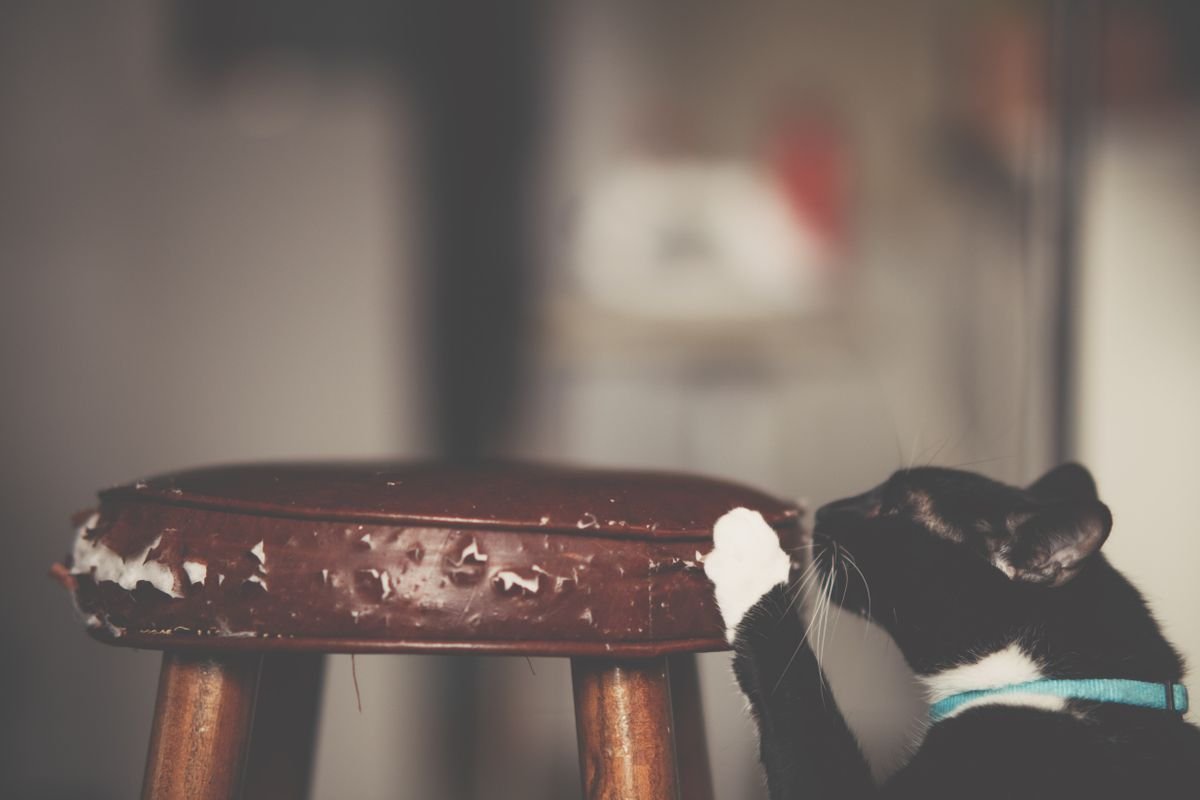
If your sofa has become your cat’s favorite scratching post, you are not alone. Scratching is a natural and necessary behavior for cats, but it does not have to ruin your furniture. Understanding why cats scratch is the first step to redirecting the habit.
Why Do Cats Scratch?
Cats scratch to stretch their muscles, shed the outer layer of their claws, mark territory with scent glands in their paws, and relieve stress or boredom. It is instinct, not misbehavior, so punishment never works.
Give Them Something Better to Scratch
The most effective solution is offering appealing alternatives. Choose a sturdy, tall scratching post that lets your cat stretch fully, and consider both vertical posts and horizontal scratchers. Sisal rope and cardboard are popular materials.
Place Scratchers Where Cats Want Them
Put the scratcher right next to the furniture they currently target, or near where they sleep. Cats like to stretch after waking up. Sprinkle a little catnip or use a cat-safe attractant spray to draw them in, and praise or reward every use.
Make Furniture Less Appealing
Cover favorite spots with double-sided sticky tape, a throw blanket, or a furniture guard while your cat learns the new habit. Citrus scents are disliked by many cats and can help as a gentle deterrent.
Keep Claws Trimmed
Regular nail trims every two to three weeks reduce damage and make scratching less destructive. Never declaw a cat; it is painful and can cause lasting physical and behavioral problems.
Reduce Stress and Boredom
Provide daily play sessions, climbing spaces, and window perches. A calm, enriched environment means less stress-related scratching.
Types of Scratchers Cats Love
Not every cat likes the same scratcher, so it helps to watch how your cat scratches. Cats that stretch up against the sofa arm usually prefer tall vertical posts, at least 30 inches high and heavy enough not to wobble. Cats that scratch rugs or the floor often prefer flat cardboard pads or angled ramps. Sisal fabric, sisal rope, and corrugated cardboard are the most popular surfaces, while carpet-covered posts can confuse cats because they feel like your rugs. If your cat ignores a new scratcher, try a different texture, angle, or location before giving up.
How to Train Your Cat to Use a Scratching Post
Start by placing the post in a high-traffic area where your cat spends time. Encourage interest by dangling a toy at the base or rubbing a bit of catnip on it. When your cat scratches, offer a treat or gentle praise right away. If you catch your cat scratching the furniture, calmly pick them up and place them at the post instead of shouting or using spray bottles, which only teach your cat to fear you. Most cats learn within a few weeks if you stay consistent.
When Scratching Becomes a Problem
Occasional scratching is normal, but sudden or excessive scratching can signal stress, boredom, or a medical issue. Changes such as a new pet, a move, or a change in routine can make a cat scratch more. If your cat is also hiding, overgrooming, or avoiding the litter box, speak to your vet to rule out health problems. Pheromone diffusers and more playtime can also help calm an anxious cat.
Frequently Asked Questions
Should I declaw my cat? No. Declawing removes the end of each toe bone and can cause chronic pain and behavior problems. Nail trims and scratchers are safe alternatives.
Why does my cat scratch right after waking up? Cats stretch and scratch after sleeping to loosen their muscles and mark their territory.
Do nail caps work? Soft nail caps can protect furniture for a few weeks, but they should be applied by a vet or groomer and replaced as the claws grow.
What to Do If Scratching Does Not Improve
Most cats learn to use a scratching post within a few weeks if the post is sturdy, tall enough for a full stretch and placed where the cat spends time. If your cat still targets furniture, change one thing at a time: try a different material such as sisal rope, cardboard or carpet, switch between vertical and horizontal scratchers, or move the post next to the damaged spot.
Use double-sided tape or a furniture cover on the targeted area for a few weeks, and reward your cat every time it uses the right surface. Never declaw your cat, because it is a painful surgery that can cause lasting problems. If scratching suddenly increases, stress, boredom or a medical issue may be behind it, so ask your veterinarian.
Final Thoughts
Scratching is a healthy instinct that you can guide but never stop completely. Give your cat attractive scratching options, protect your favorite furniture for a while, and stay consistent. In a few weeks, most cats happily switch and your home stays beautiful.
Related reading: Cheap DIY Cat Toys You Can Make at Home · How to Litter Train a Kitten Fast